It doesn't seem five minutes since compiling the top 100 dance songs of the 00s, and yet here we are. A full decade of dance music to reflect on. Long time readers know the drill by now. These are the best electronic tunes set to repetitive beats you can find anywhere in the world. And while the 2010s had their share of horrors, it also played host to many fine musical moments. Nevertheless, going over this list I cant get away from the idea it's inflected with nostalgia. Not in terms of the preponderance of tunes from the early part of the decade, but instead the constant harking back to previous styles. The trance and house you find here are interspersed with a sprinkling of dubstep and EBM, but no trap, tropical, grime, hardstyle, American-friendly EDM, or synthwave. An old person's list then? Or perhaps the aforementioned subgenres are utterly below par? It's up to you to decide. And so, what we have here are a few crowd pleasers and some even your da might had heard of, and quite a fair amount of niche and underground compositions. All killer, no filler as they like to say. If you would like to compare this compilation of the hundred greatest bangers with the other All That Is Solid decade-in-dance lists, knock yourselves out. Here reside the lists for the 1970s, the 1980s, the 1990s and, of course, the 00s. Here you go. Enjoy the tunes and play them super loud. 100. Timebomb by Laidback Luke feat. Jonathan Mendelsohn (2011) 99. You're Not Alone by Don Diablo feat. Kiiara (2019) 98. Flames by David Guetta and Sia (2018) 97. Cure by Tube & Berger, Alegant (2018) 96. Don't Be So Shy (Filatov & Karas Remix) by Imany (2015) 95. Love's Got Me High by SCALES (2015) 94. Run Away by Denis Kenzo feat. Angel Falls (2016) 93. Winners by Kill Frenzy feat. Kisch (2019) 92. Mangata by Dim3nsion (2016) 91. Graduation by Gemini (2011) 90. 17 by MK (2017) 89. Right Back by Yuri Kane (2010) 88. I Don't Deserve You by Paul van Dyk feat. Plumb (2012) 87. Faded by ZHU (2014) 86. King by Years & Years (2015) 85. Slave of Love by Ivan Roudyk (2015) 84. Primadonna by Marina and the Diamonds (2012) 83. Falling by Alesso (2017) 82. Breathe by Jax Jones feat. Ina Wroldsen (2018) 81. Tears In Your Eyes by Nora En Pure (2017) 80. Guilt by Nero (2011) 79. Origins by Factor B and the Noble Six (2017) 78. When a Fire Starts to Burn by Disclosure (2013) 77. The Pop Kids by Pet Shop Boys (2016) 76. White Lies by M22 (2019) 75. Lonely by Eddie Thoneick & Kurd Maverick feat. Errol Reid (2019) 74. Not Giving Up on Love by Armin van Buuren vs Sophie Ellis Bextor (2010) 73. Motivation (Kris O'Neil Remix) by Paul Thomas feat. Ladystation (2012) 72. Remember Love by DJ's United (2010) 71. Silhouette (Allen & Envy Remix) by Dart Rayne & Yura Moonlight and Sarah Lynn (2013) 70. Magnum Opus by Thomas Ulstrup (2017) 69. Wonderful Life (Freemasons Remix) by Hurts (2011) 68. Tears (Aurosonic Progressive Mix) by Headstrong feat. Stine Grove (2011) 67. We Can Fly by Jorn van Deynhoven (2016) 66. One Kiss by Calvin Harris and Dua Lipa (2018) 65. Chasing The Sun (D Mad V Matt Darey radio mix) by Matt Darey & Aeron Aether feat. Ridgewalkers (2010) 64. This Night (Alex MORPH Remix) by Filo & Peri feat. Audrey Gallagher (2010) 63. Mistakes by CYA (2017) 62. Get Me High by Franky Wah (2019) 61. Meteora by The Noble Six (2016) 60. About You by Sebastian Weikum (2015) 59. Hear Me (Aly & Fila Remix) by Mohamed Ragab feat. Jaren (2016) 58. Flicker by Porter Robinson (2014) 57. Will We Remain? (Spencer Brown Remix) by ilan Bluestone and Maor Levi feat. EL Waves (2018) 56. One Breath by Namnambulu (2017) 55. Another World (Shogun Remix) by Cerf, Mitiska and Jaren (2011) 54. Need U (100%) by Duke Dumont feat. A*M*E (2013) 53. Rather Be by Clean Bandit feat. Jess Glynne (2014) 52. Northern Soul by Above & Beyond feat. Richard Bedford (2017) 51. My House by Hercules and Love Affair (2011) 50. Scio by Jay Hardway (2017) 49. Opus by Eric Prydz (2015) 48. Cruel Intentions by Simian Mobile Disco (2010) 47. Eterna by Dim3nsion (2017) 46. The Call by Raized by Wolves feat. Tom Smith (2011) 45. Lonely Inside by Ferry Corsten (2017) 44. Latch by Disclosure feat. Sam Smith (2012) 43. Back Home (Fady and Mina vs Omar Sharif Extended Remix) by Hazem Belatagui feat. Adara (2018) 42. The Sun (Kyau & Albert Rework) by Frida Sundemo (2016) 41. Nothing Without Me by Markus Schulz feat. Ana Diaz (2012) 40. Sexual by Neiked feat. Dyo (2016) 39. I Wrote the Book by Beth Ditto (2011) 38. Rainbow by Estiva with Ruben De Ronde (2018) 37. Cheops (Original Mix) by Matt Bukovski, Andy Elliass and Abys (2013) 36. As We Collide (Orjan Nilsen Remix) by Christian Burns, Paul Oakenfold and JES (2013) 35. Lotus by Shogun (2011) 34. Apprehension by Simon O'Shine and Sergey Nevone (2013) 33. All I See by Bondax (2014) 32. Underwater (Yotto's Dusk Remix) by Rufus Du Sol (2019) 31. Rewind (Mikkas Remix) by Emma Hewitt (2012) 30. The Night Out (Madeon Remix) by Martin Solveig (2012) 29. Always Loved a Film by Underworld (2010) 28. Starboy by The Weeknd feat. Daft Punk (2016) 27. Orbion by Armin van Buuren (2010) 26. Now I Feel Good by Starsmith (2014) 25. Once Upon a Time by Schiller (2016) 24. Niton (The Reason) by Eric Prydz (2011) 23. Forever Ravers by ANNA & Kittin (2019) 22. Therapy by Hot Since '82 feat. Alex Mills (2019) 21. Bump n' Grind 2014 by Waze and Odyssey vs R Kelly (2014) 20. You Belong To Me by Bobina and Betsie Larkin (2011) 19. Dancing On My Own by Robyn (2010) 18. Chandelier (Stoto Remix) by Sia (2015) 17. Gotta Keep On by The Chemical Brothers (2019) 16. Love Heals You by Roger Shah & Leilani (2016) 15. F For You by Disclosure feat. Mary J Blige (2014) 14. Too Close by Alex Clare (2011) 13. Magenta by Giuseppe Ottaviani with Ferry Corsten (2013) 12. Breathe by CamelPhat & Cristoph feat. Jem Cooke (2018) 11. Ramelia (Tribute to Amelia) by RAM and Susana (2013) 10. Foolish Dreams by Frozen Plasma (2015) 9. Surga by Ferry Corsten presents Gouryella (2019) 8. Not In Love by Crystal Castles feat. Robert Smith (2010) 7. Chronicles of a Fallen Love by The Bloody Beetroots feat. Greta Svabo Bech (2012) 6. The Mother We Share by CHVRCHES (2012) 5. Headliner by Jorn van Deynhoven (2012) 4. Anahera by Ferry Corsten presents Gouryella (2015) 3. Ocean Drive by Duke Dumont (2015) 2. Count On Me by Chase & Status feat. Moko (2013) And what could possibly be number one, the greatest dance song of the decade? It was tough, but this just edged it ...
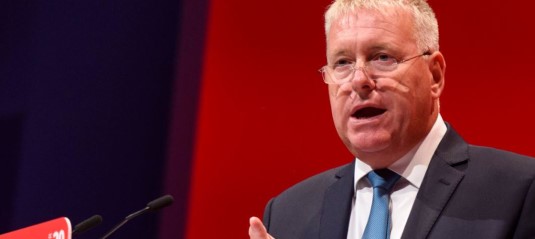
There's enough in Rebecca Long-Bailey's kite-flying pitch to recommend her candidacy to would-be Becky Bros and Salford Mafiosi. There is no going back to soggy centrism as she draws the fundamental lesson that Labour's prospectus didn't lose the election. And RLB doubles down on the necessity for building the movement and democratising it, support party members and unions resisting Tory cuts and, by extension, Boris Johnson's efforts to demonise powerless minorities, and foster a revived progressive patriotism to begin the process of uniting our communities. Excuse me, progressive patriotism? Understandably, this has caused a ripple among some comrades who remember well how previous attempts at forging a Labourist patriotism went down in the past. Comrades will recall how Ed Miliband's One Nation pitch ineluctably led to controls on immigration mugs. More seriously, Tony Blair's 'progressive consensus' culminated in the peak liberal 2012 Olympics opening ceremony and the grotesqueries of Yarl's Wood. And variously a bit of flag waving from Labour politicians has been used to justify everything from colonial adventurism to the willingness to incinerate millions of people. Indeed, given the character of the seats just lost, the Blue Labour temptation is to wave the flag as ostentatiously as possible and assume the punters will come flocking. Then again, too much can be read into one element of this piece. RLB is clear about what progressive patriotism means to her. She's talking about a synthesis between labour movement traditions, the legacy of more recent struggles and a sense of community and place. It's taking the best of contemporary multiculturalism and contrasting its solidarism against the division and scapegoating characterising the Tory deployment of the national card. It doesn't read like a preface for a lurch into nationalism. Nevertheless, you can understand why some would be very sceptical. Patriotism is the last refuge of the scoundrel after all, but if Labour is to truly win the battle of ideas we have to do the groundwork for a transformative programme in advance. Which is a much more difficult task than that undertaken prior to 1997 because New Labour were explicitly committed to retaining the Thatcherite settlement, and therefore swam with rather than against the common sense of the moment. It therefore makes sense to go with the ideological resources to hand, build on them and transform them into something else. If you like, RLB's patriotism is underground, unofficial, and draws deep from the well of rebellious Britain, a precursor to a necessary popular culture of resistance that can glue together a more powerful coalition of activists, members, and voters to take the Tories on. And such an approach might just defeat them. Among Keir Starmer's "I'm left honest guv", Emily Thornberry's 'everything was shit', Clive Lewis's Maoist-level enthusiasm, the unhelpful mutterings from Ian Lavery, and Lisa Nandy's small town blue Labourism, RLB's positioning is so far the most attractive and, surveying the parliamentary party, is likely to remain so.
We have sallied forth through a tumultuous election and come out the other end battered and bruised, and come what may here are the list of books I've read this last quarter. Abaddon's Gate by James SA Corey The Age of Revolution, 1789 - 1848 by Eric Hobsbawm Reading Capital by Louis Althusser and Etienne Balibar The Noise of Time by Julian Barnes A Major Crisis? by Werner Bonefeld, Alice Brown, and Peter Burnham The Silence of the Girls by Pat Barker Stonemouth by Iain Banks The Concept in Crisis edited by Nick Nesbitt Land of Love and Ruins by Oddny Eir Footsoldiers by Tim Bale, Paul Webb, and Monica Poletti Buying Time by EM Brown By the Pricking of Her Thumb by Adam Roberts The Quarry by Iain Banks The Cockroach by Ian McEwan Dancing Girls by Margaret Atwood Time, Labour, and Social Domination by Moishe Postone The Sense of an Ending by Julian Barnes The Gold-Rimmed Spectacles by Giorgio Bassani Financialisation in Crisis edited by Costas Lapavitsas Glow by Ned Beauman All killer, no filler about sums up this list of books. Singling out a few titles for praise, I thought Pat Barker's novel was a masterpiece. Told from the perspective of the women caught up in the Trojan War, it is as grim and as harrowing you'd expect it to be. Nevertheless Barker tells a tale that is immediately accessible and, in my view, more rewarding and compelling than her famed Regeneration trilogy. Postone's book is a very important contribution to making Marxism fit for the 21st century, and will get a more in-depth look in due course. And finally Iain Banks's last book, The Quarry, was full of the brutal and unsparing wit you typically find in his "mainstream" fiction. Highly recommended. What have you been reading recently?
There's a petition doing the rounds asking Ian Lavery, chair of the Labour Party, to put his name forward to succeed Jeremy Corbyn. Politically speaking, you might ask, why not? Unlike some would-be contenders, Ian stood by Corbyn when the parliamentary party came for him and, crucially, he rebelled against the whip imposed by Harriet Harman to abstain on Tory welfare cuts back in 2015. Adding to his appeal, for some, is his sounding of the warning against the party adopting the second referendum as its Brexit position. Though, as we have seen, sticking with the 2017 position would likely have proven equally as disastrous at the election, with the added bonus of severe damage over the medium to long-term. Nevertheless, it's a position that has been variously advanced and deserves debating out. The problem Ian Lavery presents is not his current positioning nor his record since entering parliament. Rather, it's because of what he did before taking his seat. I am, of course, talking about the miners' pension controversy. The charges are nothing new and have been in the public domain for quite some time. This refers to two payments made to Ian by the National Union of Mineworkers while he was working for them and winning millions for the miners' compensation fund. In 1994 he received a £75k below market rate loan from the NUM to help pay off his mortgage, which was written off when he left the union's employ. And in 2010 after resigning his position to become a MP Ian received £90k in redundancy costs. You don't have to be an expert in workplace law to understand that redundancy payments are made only when one's position becomes, um, redundant. Matters aren't helped by the overly technical responses Ian has advanced when confronted by these payments. It was all within the rules, a cry oft-heard during at height of the MPs' expenses crisis, as readers will recall. There is no suggestion any laws were broken, but still, there are two important political issues here. The first should be obvious. Given the number just done on Jeremy Corbyn and the Labour Party, it is both foolish and naive to push a potential contender with an albatross like this flapping about his neck. Do you think the Tories aren't going to run amok with this, with lurid headline after lurid headline raking over Ian's finances, and how do you suppose it would go down in the sorts of constituencies Ian is supposedly uniquely placed to win back? I can't imagine many, especially among retired miners, finding much encouragement to vote for a Lavery-led Labour Party when they learn how their union funds were disposed. And the second more serious problem is how a Ian Lavery candidacy would shine an unwelcome light on finances in the labour movement. You might remember how Arthur Scargill took the NUM to court because it refused to meet the costs of his flat in The Barbican. Again, entirely within the rules (or not, in this case) but utterly repugnant. And this is one of thousands of such stories. The far left group known for its workers' representatives on a workers' wage shtick turning a blind eye to its own senior union cadre pulling down huge salaries. The regional committee who covered local officials' drink driving fines. The golden goodbyes shelled out to officials a couple of years off retirement when one union merged with another. The spamming of union expense accounts by a Trotskyist darling. All the properties, grace and favour amenities, large salaries commanded by union big wigs, the not entirely gainful employment of facilities time, and money wasted on inter-union competition. A broom does need taking to our movement, but that should be wielded by us, not the Tories. Should Ian be a candidate, let alone the leader, the likelihood is there for financial malpractice to be used as a stick for attacking trade unions. And that, while we face four or five more years of screwing over workers, is the last thing we need. Therefore, in the spirit of not handing our enemies ammunition to fire at us and standing against money grubbing in our movement, Ian Lavery should not stand.
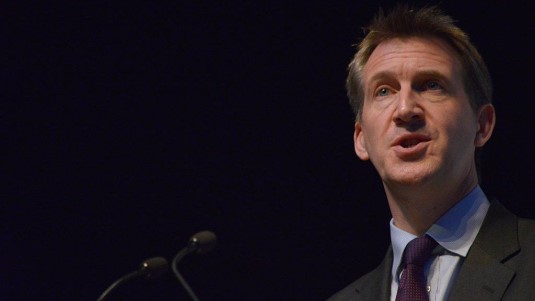
"We need to make a clean break with Corbynism!", said Dan Jarvis on Christmas Eve. His comments made during an interview on Radio 4 made two claims for Labour's general election loss: a) Jeremy Corbyn presented a problem and the party lacked a top team that "understands the challenges people face", and b) "people felt they didn’t think the Labour party spoke for them any more." And to keep everyone guessing and inject some (much needed) interest into his person, Dan refused to rule out a leadership bid.
Let's have a look at these arguments. The first doesn't bear much repeating. Only the most blinkered believes Corbyn wasn't a problem on the doorstep, and that has been the case from the beginning. Though if Dan was interested in an honest appraisal of why this was the case, he might have reflected on how his friends encouraged the image of Corbyn activists found fed back to them time after time. To use a military metaphor, it's like having your US Air Force allies crater your position and then holding the commanding infantry officer solely responsible for not holding it against the enemy. As for leading figures not being aware of the "challenges", one can only surmise Dan hasn't attended constituency surgeries recently. Universal credit, the work capability assessment, crumbling local government services, housing, it damns the Tories that nothing has changed since I did them over six years ago. Perhaps Dan might like to tell us how Labour's manifesto, whatever you might think of it, ignored these issues? And how about the bigger problems, like the climate emergency or the significant structural problems the British economy has? If "challenges" means Labour refused to scapegoat powerless groups as was custom and practice between 1997 and 2010, then we should be very proud to cop for that. Which brings us to the second point, that Labour "didn't speak for them" any more. You can interpret this in a couple of ways, either as going too remainy (not that the party had much of a choice) or insufficiently Blue Laboury. Though to be truthful, in all my years of campaigning in Stoke never have I encountered someone who was voting Labour because of immigration controls. When you listen to the vox pops or, indeed, the tens of thousands who went canvassing the answers we have to this, more often than not, are lines straight out of editorials or broadcast talking points. What it shows is a failure of Labour messaging to cut through, which is always an issue when the media is institutionally corrupt. But here again, Dan is refusing to ask the right questions. The simple truth of the matter is Boris Johnson was able to navigate the class dynamics of the election better than Labour. The Tories know what their base in working class communities is, while Dan and his friends cling to the delusion that the white working class as a whole has rejected Labour. For politicians who like to parade their northern qualities, they're as happy to label millions of people nationalistic and a little bit racist as much as the liberal metropolitan types they affect to disagree with. Older people are the issue, and it's ridiculous to pretend otherwise. In a would-be leadership contender, it's doubly so. In sum, Dan's intervention was a cynical profile-raising exercise, a reminder to everyone that he existed. Because, let's be honest here, we had to be reminded. When was the last time you head anything about Dan Jarvis? These last few years he's been virtually invisible as far as national politics are concerned. Unlike other centrists and Labour right figures, such as Jess Phillips and her media ubiquity, and Yvette Cooper and her select committee appearances, what's he done? For goodness sake, he's not even done Question Time. He's the metro mayor for the Sheffield city region which, to his credit, he draws no salary (I wonder if the usual suspects will condemn him for gesture politics, as per Nadia Whittome), but hasn't said anything in terms of policy debates since, um, advocating the sort of industrial strategy we find embodied in the 2017 and 2019 manifestos. Guess he wasn't taking the "people's challenges" seriously then, either. When push comes to shove, there's not a lot Dan can offer the leadership contest, let alone the party. He's not saying anything the likes of Lisa Nandy isn't already saying, and the soldiery backstory is not enough to make up for a substantial deficit as a politician. He can mull his leadership prospects, but I suspect he already knows there's nothing to help him stand out from the crowd, nor preventing a humiliating descent into Liz Kendall-style irrelevance. So remember that the next time Dan has a well-publicised interview, and take his regurgitated musings with a pinch of salt. Image Credit
Between the early 80s and right up until leaving home in the mid 90s, my parents used to rent one or two films a week. This inevitably meant all the blockbusters and not a few terrible B movies and video nasties got a weekend showing. and yet, there were a few popular favourites I somehow missed. No Breakfast Club or Rocky movies, nor for that matter Ferris Bueller's Day Off, the Evil Dead films and ... Top Gun. And now, my deficit of aeronautic fuck yeah Americana is now at an end. 33 years after its release, I spent the closing hours of Christmas day watching it. And yes, it was awful. An important awful. Growing up when it came out, I get why the Library of Congress selected Top Gun for permanent preservation - for a completely superficial movie with more linearity than a slide rule, it was, is culturally significant. Top Gun is one of those films you might not have seen, but it feels you have. The tropes have long been parodied by the likes of Hot Shots and Team America, as well as cheesy 00s dance vids, and when I was a kid the lines were frequently quoted back and forth across the school yard. Much later into the early 90s one of my mates was obsessed with the film and was convinced he could pull by singing You've lost that loving feeling at poor unfortunates his eye fell upon. Curiously, he remained girlfriendless long after we had passed out the school gates. Reportedly, Top Gun led to bumps in recruitment for the US Navy and Air Force, a mushrooming market in bomber jackets and mirrored sunglasses, and queues forming up waiting for a go on 1987's Sega mega hit, After Burner. And it brought us the brash rock anthem Danger Zone as well as Berlin's Take My Breath Away, and was part and parcel of the militarisation of 1980s Hollywood. The film's plot, such as there is one, is tenuous filler between the action shots of jet fighters spinning around the training ground, and dogfighting with Soviet jets to show off the superiority of American air power. How nice, a big budget rendering of the Brize Norton air show. Nevertheless, as a slick work of marketing Top Gun does not fail. It shows the military hardware, the effortlessly cool lifestyle, the camaraderie (and rivalry) between fighter pilots and, because it was the 80s, the young women airmen could be expected to pick up. No wonder tens of thousands were seduced into signing up. As for the plot, US Navy pilots Pete "Maverick" Mitchell and Nick "Goose" Bradshaw are sent to elite flight school to knock off the more reckless aspects of their flying, and what follows is much machismo and ostentatious masculine displays, the infamous homoerotic volley ball scene, motorcycles, falling in love and jet-on-jet action. Tom Cruise's Maverick is as brash and annoying as young American men were in films of this era. Arrogant but with something to prove, he bends the rules by disobeying instructions and chasing Charlie (Kelly McGillis), a civilian contractor who is also an instructor on the flight programme. Bearing in mind this was Reagan's America, we could not well have a jock flipping Uncle Sam the bird by disobeying orders and shacking up with someone who was technically his superior, and so a redemption narrative is shoe horned in to proceedings. Throughout the first three quarters of the film Maverick is basically a gifted punk as well as a self-centred narcissist until tragedy strikes. Out on a practice run his jet stalls and goes into an uncontrolled spin. He and Goose manage to eject but Goose strikes his head on the way out and, boom, his life-long friend is dead. The key then changes into some heavy handed introspection where Maverick mopes around, blames himself, consoles Goose's wife and child, and very nearly quits. He is persuaded to stay on and is cleared by a tribunal, just in time for graduation and an end-of-film dogfight with the nasty Soviets and manages to save the day. Hurrah. Goose is avenged and America is safe from the USSR. Even if the last scrap takes place over the Indian Ocean. Maverick's redemption is interesting precisely because of how he is, for want of a better phrase, tamed and domesticated. Tearing around irresponsibly is not the done conservative thing to do, but what it does is sell a carefree lifestyle that, thanks to the rigours of military discipline and personal tragedy, segues into conformism and responsibility. Despite doing the navy proud and saving the neck of his arch rival, Iceman, all ego is cast aside as he decides to ditch his career as a top pilot and becomes instead an instructor at the academy. He moves back to California where Charlie joins him and, presumably, they spend many decades together basking in golden sunshine and raising the next generation of fighter pilots. Of course, we can now look forward to Top Gun: Maverick come the summer in which Cruise reprises the role. Sad to say, I'll probably go just to see how far the original can be surpassed in awfulness. Will Maverick be nursing traumas for training the men who dropped high explosive ruin over Iraq, or are we going to see a garish celebration of the latest American hardware and, with a nod to important international markets, a cooperative military venture with the Chinese against some mutual threat? Whatever we get it will be devoid of depth, warmth, plot, and classic anthems. But we might get the volleyball scene.
Shall we lay off the politics for a little bit? I know it's hard for those of you who, like me, don't have much substance beyond the patina of movement building and Westminster watching but even freaks like us need a break. And this is how I'm doing it. About 10 years ago the Graun published its list of a thousand books you simply have to read if you're ever to pass muster at a liberal dining table. I reproduced said list here. Forward to now, I found this list knocking about the internets. This one is from one of those Thousand books you must read before you die things that have gone through multiple iterations and, I believe, it dates from 2016. So while the commentariat marvel at Boris Johnson's ability to recite sections of The Iliad by heart, let's consider more recent literature. According to my memory, I've read 283 novels on this (allegedly canonical) list and have marked them off in bold. Not bad going, but room for improvement. How many have you read? Things Fall Apart - Chinua Achebe Arrow of God - Chinua Achebe Blood and Guts in High School - Kathy Acker Hawksmoor - Peter Ackroyd The Hitchhiker’s Guide to the Galaxy - Douglas Adams Dirk Gently’s Holistic Detective Agency - Douglas Adams Half of a Yellow Sun - Chimamanda Ngozi Adichie The White Tiger - Aravind Adiga In the Heart of the Seas - Shmuel Yosef Agnon Rashomon and Other Stories - Ryunosuke Akutagawa The Regent’s Wife - Clarin Leopoldo Alas Little Women - Louisa May Alcott The Man with the Golden Arm - Nelson Algren Broad and Alien is the World - Ciro Alegria Fantomas - Marcel Allain Of Love and Shadow - Isabel Allende The House of the Spirits - Isabel Allende Gabriela, Clove and Cinnamon - Jorge Amado Tent of Miracles - Jorge Amado Cause for Alarm - Eric Ambler Lucky Jim - Kingsley Amis The Old Devils - Kingsley Amis Money: A Suicide Note - Martin Amis London Fields - Martin Amis I’m Not Scared - Niccolo Ammaniti Untouchable - Mulk Raj Anand The Commandant - Jessica Anderson The Bridge on the Drina - Ivo Andric Bosnian Chronicle Pb - Ivo Andric Ashes and Diamonds - Jerzy Andrzejewski I Know Why the Caged Bird Sings - Maya Angelou The Thousand And One Nights - Anonymous The Tale of the Bamboo Cutter - Anonymous Lazarillo de Tormes - Anonymous Fado Alexandrino - Antonio Lobo Antunes The Golden Ass: The Transformations of Lucius - Apuleius The Bells of Basel - Louis Aragon Before Night Falls: A Memoir - Reinaldo Arenas Deep Rivers - Jose Maria Arguedas The Twilight Years - Sawak Ariyoshi The Green Hat - Michael Arlen I, Robot - Isaac Asimov Foundation - Isaac Asimov The Posthumous Memoirs of Bras Cubas - Machado de Assis Dom Casmurro - MacHado De Assis Surfacing - Margaret Atwood The Handmaid’s Tale - Margaret Atwood Alias Grace - Margaret Atwood Obabakoak: Stories from a Village - Bernardo Atxaga Emma - Jane Austen Mansfield Park - Jane Austen Pride and Prejudice - Jane Austen Sense and Sensibility - Jane Austen The New York Trilogy - Paul Auster Moon Palace - Paul Auster The Underdogs - Mariano Azuela So Long a Letter - Mariama Ba Go Tell It on the Mountain - James Baldwin Giovanni’s Room - James Baldwin Crash - JG Ballard Empire of the Sun - JG Ballard Eugenie Grandet - Honore De Balzac Old Goriot - Honore De Balzac Lost Illusions - Honore De Balzac The Wasp Factory - Iain Banks The Crow Road - Iain Banks The Sea - John Banville The Elegance of the Hedgehog - Muriel Barber The Inferno - Henri Barbusse Under Fire: The Story of a Squad - Henri Barbusse Silk - Alessandro Baricco Regeneration - Pat Barker Nightwood - Djuna Barnes The Sense of an Ending - Julian Barnes Flaubert’s Parrot - Julian Barnes The Floating Opera - John Barth Giles Goat-Boy - John Barth The Dead Father - Donald Barthelme Alamut - Vladimir Bartol The Garden of the Finzi-Continis - Giorgio Bassani Story of the Eye - Georges Bataille The Abbot C - Georges Bataille Blue of Noon - Georges Bataille The House of Ulloa - Emilia Pardo Bazan The Mandarins - Simone de Beauvoir Jakob the Liar - Jurek Becker Murphy - Samuel Beckett Molloy - Samuel Beckett Malone Dies - Samuel Beckett Vathek - William Beckford Borstal Boy - Brendan Behan Oroonoko - Aphra Behn Dangling Man - Saul Bellow Herzog - Saul Bellow Humboldt’s Gift - Saul Bellow The Old Wives’ Tale - Arnold Bennett G - John Berger Under Satan’s Sun - Georges Bernanos Extinction - Thomas Bernhard Wittgenstein’s Nephew - Thomas Bernhard Correction - Thomas Bernhard Captain Corelli’s Mandolin - Louis de Bernieres Death Sentence - Maurice Blanchot Out of Africa - Karen Blixen The Savage Detectives - Roberto Bolano 2666 - Robert Bolano Billiards at Half-Past Nine - Heinrich Boll The Lost Honor of Katharina Blum - Heinrich Boll Group Portrait with Lady - Heinrich Boll Labyrinths - Jorge Luis Borges This Way for the Gas, Ladies and Gentlemen - Tadeusz Borowski On Love - Alain de Botton To the North - Elizabeth Bowen The Heat of the Day - Elizabeth Bowen Eva Trout, or Changing Scenes - Elizabeth Bowen World’s End - TC Boyle In Watermelon Sugar - Richard Brautigan Willard and His Bowling Trophies - Richard Brautigan Nadja - Andre Breton Arcanum 17 - Andre Breton The Lonely Girl - Edna O’Brien A Dry White Season - Andre Brink Testament of Youth - Vera Brittain Death of Virgil - Hermann Broch The Guiltless - Hermann Broch The Tenant at Wildfell Hall - Anne Bronte Jane Eyre - Charlotte Bronte Wuthering Heights - Emily Bronte The 39 Steps - John Buchan The Master and Margarita - Mikhail Bulgakov A Clockwork Orange - Anthony Burgess Inside Mr Enderby - Anthony Burgess Evelina - Fanny Burney Camilla - Fanny Burney Tarzan of the Apes - Edgar Rice Burroughs Junky - William S Burroughs Naked Lunch - William S Burroughs Erewhon - Samuel Butler The Way of All Flesh - Samuel Butler The Tartar Steppe - Dino Buzzati The Virgin in the Garden - AS Byatt The Children’s Book - AS Byatt The Postman Always Rings Twice - James M Cain A House in the Uplands - Erskine Caldwell The Path to the Spiders’ Nests - Italo Calvino If on a Winter’s Night a Traveler - Italo Calvino The Castle of Crossed Destinies - Italo Calvino Invisible Cities - Italo Calvino The Lusiad - Luis de Camoens The Stranger - Albert Camus The Plague - Albert Camus The Rebel - Albert Camus Auto-da-Fe - Elias Canetti The War with the Newts - Karel Capek Breakfast at Tiffany’s - Truman Capote In Cold Blood - Truman Capote Oscar and Lucinda - Peter Carey The Kingdom of This World - Alejo Carpentier The Lost Steps - Alejo Carpentier The Spy Who Came in from the Cold - John le Carre Smiley’s People - John le Carre Alice’s Adventures in Wonderland - Lewis Carroll Alice Through the Looking-Glass - Lewis Carroll Nights at the Circus - Angela Carter Bebo’s Girl - Carlo Cassola The Conquest of New Spain - Bernal Diaz del Castillo Solitude - Victor Catala The Professor’s House - Willa Cather All Soul’s Day - Nooteboom Cees Journey to the Alcarria - Camilo Jose Cela The Hive - Camilo Jose Cela Journey to the End of the Night - Louis-Ferdinand Celine Soldiers of Salami - Javier Cercas Don Quixote - Miguel de Cervantes The Trials of Persiles and Sigismunda - Miguel de Cervantes The Big Sleep - Raymond Chandler The Long Goodbye - Raymond Chandler Wild Swans - Jung Chang On the Black Hill - Bruce Chatwin Monkey - Wu Ch’eng-en The Riddle of the Sands - Erskine Childers The Awakening - Kate Chopin The Murder of Roger Ackroyd - Agatha Christie On the Heights of Despair - EM Cioran 2001: A Space Odyssey - Arthur C Clarke The Sorrow of Belgium - Hugo Claus Fanny Hill - John Cleland The Holy Terrors - Jean Cocteau What a Carve Up! - Jonathan Coe Veronika Decides to Die - Paulo Coehlo The Devil and Miss Prym: A Novel of Temptation - Paulo Coehlo Life and Times of Michael K - JM Coetzee Disgrace - JM Coetzee Waiting for the Barbarians - JM Coetzee In the Heart of the Country - JM Coetzee Dusklands - JM Coetzee Belle du Seigneur - Albert Cohen Claudine’s House - Colette The Woman in White - Wilkie Collins The Moonstone - Wilkie Collins Heart of Darkness - Joseph Conrad Nostromo - Joseph Conrad The Secret Agent - Joseph Conrad The Lion of Flanders - Hendrik Conscience The Last of the Mohicans - James Fenimore Cooper Pricksongs & Descants: Fictions - Robert Coover Eline Vere - Louis Couperus Arcadia - Jim Crace The Enormous Room - EE Cummings The Hours - Michael Cunningham The Child of Pleasure - Gabriele D’Annunzio Disappearance - David Dabydeen Nervous Conditions - Tsitsi Dangarembga Fifth Business - Robertson Davies The End of the Story - Lydia Davis The Twins - Tessa De Loo Robinson Crusoe - Daniel Defoe Moll Flanders - Daniel Defoe The Heretic - Miguel Deliber White Noise - Don DeLillo Mao II - Don DeLillo Underworld - Don DeLillo The History of Thomas of Reading - Thomas Deloney Berlin Alexanderplatz - Alfred Deoblin Clear Light of Day - Anita Desai The Inheritance of Loss - Kiran Desai All About H Hatterr - GV Desani The Brief Wondrous Life of Oscar Wao - Junot Diaz Do Androids Dream of Electric Sheep? - Philip Dick Oliver Twist - Charles Dickens David Copperfield - Charles Dickens Bleak House - Charles Dickens Great Expectations - Charles Dickens Jacques the Fatalist - Denis Diderot The Nun - Denis Diderot Rameau’s Nephew - Denis Diderot Democracy - Joan Didion Play It as It Lays - Joan Didion The Bitter Glass - Eilis Dillon Ragtime - EL Doctorow The Book of Daniel - EL Doctorow Stone Junction - Jim Dodge Asphodel - Hilda Doolittle Notes from the Underground - Fyodor Dostoevsky Crime and Punishment - Fyodor Dostoyevsky The Idiot - Fyodor Dostoevsky The Possessed - Fyodor Dostoevsky Fool’s Gold - Maro Douka Uncle Petros and Goldbach’s Conjecture - Apostolos Doxiadis The Adventures of Sherlock Holmes - Arthur Conan Doyle The Hound of Baskervilles - Arthur Conan Doyle The Radiant Way - Margaret Drabble S: A Novel about the Balkans - Slavenka Drakulic Sister Carrie - Theodore Dreiser Rebecca - Daphne Du Maurier The Three Musketeers - Alexandre Dumas The Count of Monte Cristo - Alexandre Dumas Hallucinating Foucault - Patricia Duncker The Ravishing of Lol V Stein - Marguerite Duras The Vice-Consul - Marguerite Duras The Lover - Marguerite Duras Justine - Lawrence Durrell The Judge and His Hangman - Friedrich Durrenmatt A World for Julius - Alfredo Bryce Echenique The Name of the Rose - Umberto Eco Foucault’s Pendulum - Umberto Eco Castle Rackrent - Maria Edgeworth The Quest - Frederik van Eeden A Visit from the Goon Squad - Jennifer Egan Life of a Good-For-Nothing - Joseph Von Eichendorff Adam Bede - George Eliot The Mill on the Floss - George Eliot Silas Marner - George Eliot Middlemarch - George Eliot American Psycho - Bret Easton Ellis Invisible Man - Ralph Ellison The Black Dahlia - James Ellroy Cheese - Willem Elsschot Silence - Shusaku Endo Deep River - Shusaku Endo The Book About Blance and Marie - Per Olov Enquist The Gathering - Anne Enright The Interesting Narrative of the Life of Olaudah Equian - Olaudah Equiano Love Medicine - Louise Erdrich Like Water for Chocolate - Laura Esquivel Celestial Harmonies - Peter Esterhazy The Virgin Suicides - Jeffrey Eugenides The Marriage Plot - Jeffrey Eugenides Under the Skin - Michael Faber Astradeni - Eugenia Fakinou The Singapore Grip - JG Farrell The Siege of Krishnapur - JG Farrell Absalom, Absalom! - William Faulkner Birdsong - Sebastian Faulks Troubling Love - Elena Ferrante Joseph Andrews - Henry Fielding Tom Jones - Henry Fielding The Wars - Timothy Findley The Great Gatsby - F Scott Fitzgerald Tender is the Night - F Scott Fitzgerald Madame Bovary - Gustave Flaubert Sentimental Education - Gustave Flaubert Bouvard and Pecuchet - Gustave Flaubert Casino Royale - Ian Fleming Everything is Illuminated - Jonathan Safran Foer Effi Briest - Theodor Fontane Der Stechlin - Theodor Fontane The Good Soldier - Ford Madox Ford Parade’s End - Ford Madox Ford A Room with a View - EM Forster Howards End - EM Forster A Passage to India - EM Forster The Magus - John Fowles The French Lieutenant’s Woman - John Fowles Faces in the Water - Janet Frame Thais - Anatole France Blind Side of the Heart - Julia Franck Freedom - Jonathan Franzen The Corrections - Jonathan Franzen Simon and the Oaks - Marianne Fredriksson Hideous Kinky - Esther Freud I’m Not Stiller - Max Frisch Homo Faber: A Report - Max Frisch The Description of the Life of a Strange Vagabond Named - Melchoir Sternfels von Fuchshaim The Death of Artemio Cruz - Carlos Fuentes The Recognitions - William Gaddis The Back Room - Carmen Martin Gaite Compassion - Benito Perez Galdos Memory of Fire - Eduardo Galeano The Trick is to Keep Breathing - Janice Galloway The Forsyte Saga - John Galsworthy Eclipse of the Crescent Moon - Geza Garbonyi The Roots of Heaven - Romain Gary Promise at Dawn - Romain Gary Cranford - Elizabeth Gaskell North and South - Elizabeth Gaskell Legend - David Gemmell Triple Mirror of the Self - Zulfikar Ghose The Shadow Lines - Amitav Ghosh Cold Comfort Farm - Stella Gibbons Neuromancer - William Gibson The Fruits of the Earth - Andre Gide The Immoralist - Andre Gide Strait is the Gate - Andre Gide The Counterfeiters - Andre Gide New Grub Street - George Gissing Caleb Williams - William Godwin The Sorrows of Young Werther - Johann Wolfgang von Goethe Wilhelm Meister’s Apprenticeship - Johann Wolfgang von Goethe Elective Affinities - Johann Wolfgang von Goethe The Nose - Nikolai Gogol Dead Souls - Nikolai Gogol Memoirs of a Geisha - Arthur Golden Lord of the Flies - William Golding The Vicar of Wakefield - Oliver Goldsmith Ferdydurke - Witold Gombrowicz Oblomov - Ivan Aleksandrovich Goncharov July’s People - Nadine Gordimer Mother - Maxim Gorky The Artamonov Business - Maxim Gorky Burger’s Daughter - Nadine Gorminder Marks of Identity - Juan Goytisolo The Opposing Shore - Julien Gracq The Tin Drum - Gunter Grass Cat and Mouse - Gunter Grass Dog Years - Gunter Grass Lanark - Alasdair Gray Blindness - Henry Green Living - Henry Green Loving - Henry Green Back - Henry Green Brighton Rock - Graham Greene The Power and the Glory - Graham Greene The End of the Affair - Graham Greene The Quiet American - Graham Greene The Honorary Consul - Graham Greene The Diary of a Nobody - George Grossmith Three Kingdoms - Luo Guanzhong Memories of Rain - Sunetra Gupta Dirty Havana Trilogy - Pedro Juan Gutierrez Forever a Stranger and Other Stories - Hella S Haasse King Solomon’s Mines - H Rider Haggard The Well of Loneliness - Radclyffe Hall The Maltese Falcon - Dashiell Hammett The Thin Man - Dashiell Hammett Hunger - Knut Hamsun Growth of the Soil - Knut Hamsun The Afternoon of a Writer - Peter Handke The Left-Handed Woman - Peter Handke Art of Fielding - Chad Harbach Far From the Madding Crowd - Thomas Hardy Tess of the D’Urbervilles - Thomas Hardy Jude the Obscure - Thomas Hardy The Go-Between - LP Hartley The Good Soldier Svejk - Jaroslav Hasek The Scarlet Letter - Nathaniel Hawthorne The House of the Seven Gables - Nathaniel Hawthorne Love in Excess; or, The Fatal Enquiry - Eliza Fowler Haywood A Question of Power - Bessie Head The First Garden - Anne Hebert The Blind Owl - Sadegh Hedayat Ancestral Voices - Etienne Van Heerden Stranger in a Strange Land - Robert A Heinlein Catch-22 - Joseph Heller The Sun Also Rises - Ernest Hemingway A Farewell to Arms - Ernest Hemingway For Whom the Bell Tolls - Ernest Hemingway The Old Man and the Sea - Ernest Hemingway Margot and the Angels - Kristien Hemmerechts Nowhere Man - Aleksander Hemon Reasons to Live - Amy Hempel Martin Fierro - Jose Hernandez Dispatches - Michael Herr Siddhartha - Hermann Hesse Steppenwolf - Hermann Hesse The Glass Bead Game - Hermann Hesse The Talented Mr. Ripley - Patricia Highsmith Camera Obscura - Hildebrand Blind Man with a Pistol - Chester Himes Kestrel for a Knave - Barry Hines The House on the Borderland - William Hope Hodgson Smilla’s Sense of Snow ~ Peter Høeg The Life and Opinions of the Tomcat Murr - ETA Hoffmann The Parable of the Blind - Gert Hofmann Private Memoirs and Confessions of a Justified Sinner - James Hogg Hyperion - Friedrich Holderlin The Swimming-Pool Library - Alan Hollinghurst The Line of Beauty - Alan Hollinghurst The Cathedral - Oles Honchar Whatever - Michel Houellebecq The Elementary Particles - Michel Houellebecq Platform - Michel Houellebecq Closely Watched Trains - Bohumil Hrabal Paradise of the Blind - Duong Thu Huong The Hunchback of Notre Dame - Victor Hugo Les Miserables - Victor Hugo Their Eyes Were Watching God - Zora Neale Hurston What I Loved - Siri Hustvedt Crome Yellow - Aldous Huxley Brave New World - Aldous Huxley Eyeless in Gaza - Aldous Huxley Against the Grain - JK Huysmans La’Bas~Joris - Karl Huysmans Carry Me Down - MJ Hyland Three Trapped Tigers - Guillermo Cabrera Infante A Prayer for Owen Meany - John Irving The Cider House Rules - John Irving The Last of Mr Norris - Christopher Isherwood Goodbye to Berlin - Christopher Isherwood The Remains of the Day - Kazuo Ishiguro The Unconsoled - Kazuo Ishiguro An Artist of the Floating World - Kazuo Ishiguro A Pale View of Hills - Kazuo Ishiguro The Portrait of a Lady - Henry James What Maisie Knew - Henry James The Wings of the Dove - Henry James The Ambassadors - Henry James A Day Off - Storm Jameson The Summer Book - Tove Jansson The Piano Teacher - Elfriede Jelinek Platero and I - Juan Ramon Jimenez House Mother Normal: A Geriatric Comedy - BS Johnson The History of Rasselas, Prince of Abissinia - Samuel Johnson Jahrestage - Uwe Johnson In Parenthesis - David Jones Fear of Flying - Erica Jong A Portrait of the Artist as a Young Man - James Joyce Ulysses - James Joyce Finnegans Wake - James Joyce The Taebek Mountains - Jo Jung-Rae Storm of Steel - Ernst Junger The Glass Bees - Ernst Junger The Successor - Ismail Kadare Broken April - Ismail Kadare Spring Flowers, Spring Frost - Ismail Kadare The Trial - Franz Kafka The Castle - Franz Kafka Amerika - Franz Kafka Thousand Cranes - Yasunari Kawabata Zorba the Greek - Nikos Kazantzakis The Last Temptation of Christ - Nikos Kazantzakis Measuring the World - Daniel Kehlmann Green Henry - Gottfried Keller Kieron Smith, Boy - James Kelman How Late It Was, How Late - James Kelman The Busconductor Hines - James Kelman Schindler’s List - Thomas Keneally Looking for the Possible Dance - AL Kennedy On the Road - Jack Kerouac Fateless - Imre Kertesz One Flew Over the Cuckoo’s Nest - Ken Kesey Sometimes a Great Notion - Ken Kesey Annie John - Jamaica Kincaid The Shining - Stephen King The Water-Babies - Charles Kingsley The Poisonwood Bible - Barbara Kingsolver Kim - Rudyard Kipling Garden, Ashes - Danilo Kis Michael Kohlhaas - Heinrich von Kleist Waiting for the Dark, Waiting for the Light - Ivan Klima The Hot House - Wolfgang Koeppen Death in Rome - Wolfgang Koeppen The Case Worker - Gyorgy Konrad A Day in Spring - Ciril Kosmac Smell of Sadness - Alfred Kossman The Midnight Examiner - William Kotzwinkle The Fan Man - William Kotzwinkle The Melancholy of Resistance - Laszlo Krasznahorkai The History of Love - Nicole Krauss The Return of Philip Latinowicz - Miroslav Krleza On the Edge of Reason - Miroslav Krleza Professor Marten’s Departure - Jaan Kross The Unbearable Lightness of Being - Milan Kundera The Book of Laughter and Forgetting - Milan Kundera The Buddha of Suburbia - Hanif Kureishi Land - Park Kyong-ni Dangerous Liaisons - Pierre-Ambrois-Francois Choderlos de Laclos The Princess of Cleves - Madame de Lafayette Andrea - Carmen Laforet Barabbas - Par Lagerkvist The Saga of Gosta Berling - Selma Lagerlof The Namesake - Jhumpa Lahiri The Leopard - Giuseppe Di Lampedusa Rickshaw Boy - She Lao Quicksand - Nella Larsen Passing - Nella Larsen The Diviners - Margaret Laurence Maldoror and Poems - Lautreamont Sons and Lovers - DH Lawrence The Rainbow - DH Lawrence Women in Love - DH Lawrence Lady Chatterley’s Lover - DH Lawrence Independent People - Halldor Laxness The Dark Child: The Autobiography of an African Boy - Camara Laye The Dispossessed - Ursula K Le Guin The Lost Language of Cranes - David Leavitt Uncle Silas - Joseph Sheridan LeFanu In a Glass Darkly - Joseph Sheridan LeFanu To Kill a Mockingbird - Harper Lee Cider with Rosie - Laurie Lee Solaris - Stansilaw Lem The Female Quixote or the Adventures of Arabella - Charlotte Lennox The German Lesson - Siegried Lenz Get Shorty - Elmore Leonard LaBrava - Elmore Leonard A Hero of Our Time - Mikhail Lermontov The Enchanted Wanderer - Nicolai Leskov The Grass is Singing - Doris Lessing The Golden Notebook - Doris Lessing Christ Stopped at Eboli - Carlo Levi If This is a Man - Primo Levi If Not Now, When? - Primo Levi The Drowned and the Saved - Primo Levi The Monk, A Romance - MG Lewis Monica - Saunders Lewis Main Street - Sinclair Lewis Babbit - Sinclair Lewis Tarr - Wyndham Lewis The Apes of God - Wyndham Lewis Pippi Longstocking - Astrid Lindgren The Unknown Soldier - Vaino Linna The Passion According to GH - Clarice Lispector The House of the Star - Clarice Lispector The Time of the Hero - Mario Vargas Llosa The Feast of the Goat - Mario Vargas Llosa The War of the End of the World - Mario Vargas Llosa Armadis of Gaul - Vasco de Lobeira The Call of the Wild - Jack London At the Mountains of Madness And Other Tales of Terror - HP Lovecraft Under the Volcano - Malcolm Lowry Fall On Your Knees - Ann-Marie MacDonald Absolute Beginners - Colin MacInnes The Butcher Boy - Patrick McCabe All the Pretty Horses - Cormac McCarthy Blood Meridian: Or the Evening Redness in the West - Cormac McCarthy They Shoot Horses, Don’t They? - Horace McCoy The Cement Garden - Ian McEwan Atonement - Ian McEwan Amongst Women - John McGahern The Man of Feeling - Henry Mackenzie Midaq Alley - Naguib Mahfouz Miramar - Naguib Mahfouz Remembering Babylon - David Malouf Man’s Fate - Andre Malraux Faceless Killers - Henning Mankell Professor Unrat - Heinrich Mann Buddenbrooks - Thomas Mann Death in Venice and Other Stories - Thomas Mann The Magic Mountain - Thomas Mann Joseph and His Brothers - Thomas Mann Doctor Faustus - Thomas Mann Her Privates We - Frederic Manning The Betrothed - Alessandro Manzoni Embers - Sandor Marai Your Face Tomorrow: Fever and Spear - Javier Marias All Souls - Javier Marias Late-Night News - Petros Markaris Wittgenstein’s Mistress - David Markson Pavel’s Letters - Monika Maron No One Writes to the Colonel - Gabriel Garcia Marquez One Hundred Years of Solitude - Gabriel Garcia Marquez Love in the Time of Cholera - Gabriel Garcia Marquez The Autumn of the Patriarch - Gabriel Garcia Marquez Life of Pi - Yann Martel Time of Silence - Luis Martin-Santos Santa Evita - Tomas Eloy Martinez Tirant lo Black II - Joanot Martorell The Daughter - Pavlos Matesis Cigarettes - Harry Mathews Melmoth the Wanderer - Charles Robert Maturin Of Human Bondage - W Somerset Maugham The Razor’s Edge - W Somerset Maugham A Woman’s Life - Guy de Maupassant Bel-Ami - Guy de Maupassant Pierre and Jean - Guy de Maupassant Viper’s Tangle - Francois Mauriac Moby Dick - Herman Melville A Light Comedy - Eduardo Mendoza The Manila Rope - Veijo Meri The Day of the Dolphin - Robert Merle American Rust - Philip Meyer Fugitive Pieces - Anne Michaels Tropic of Cancer - Henry Miller The Sound of Waves - Yukio Mishima The Sea of Fertility - Yukio Mishima A Fine Balance - Rohinton Mistry Cloud Atlas - David Mitchell Gone with the Wind - Margaret Mitchell Love in a Cold Climate - Nancy Mitford Crossfire - Miyuki Miyabe Chaka - Thomas Mofolo Southern Seas - Manuel Vazquez Montalban Watchmen - Alan Moore A Gate at the Stairs - Lorrie Moore Anagrams - Lorrie Moore Like Life - Lorrie Moore The Time of Indifference - Alberto Moravia Disobedience - Alberto Moravia Ghost at Noon - Alberto Moravia Anton Reiser - Karl Philipp Moritz News from Nowhere - William Morris The Bluest Eye - Toni Morrison Beloved - Toni Morrison Song of Solomon - Toni Morrison Down Second Avenue - Ezekiel Mphahlele The Holder of the World - Bharati Mukherjee The Discovery of Heaven - Harry Mulisch Max Havelaar: Or the Coffee Auctions of the Dutch Trading Company - Multatuli Lives of Girls and Women - Alice Munro The Beggar Maid: Stories of Flo and Rose - Alice Munro The Wind-Up Bird Chronicle - Haruki Murakami 1Q84 - Haruki Murakami Almost Transparent Blue - Ryu Murakami Under the Net - Iris Murdoch The Bell - Iris Murdoch A Severed Head - Iris Murdoch The Sea, The Sea - Iris Murdoch Inland - Gerald Murnane Young Torless - Robert Musil Man Without Qualities - Robert Musil The Adventures and Misadventures of Maqroll - Alvaro Mutis Lolita - Vladimir Nabokov Pnin - Vladimir Nabokov Pale Fire - Vladimir Nabokov Ada, or Ardor: A Family Chronicle - Vladimir Nabokov The Water Margin: Outlaws of the Marsh - Shi Naian In a Free State - VS Naipaul A Bend in the River - VS Naipaul The Enigma of Arrival - VS Naipaul The Guide - RK Narayan The Unfortunate Traveller and Other Works - Thomas Nashe Henry Von Ofterdingen - Novalis Suite Francaise - Irene Nemirovsky Delta of Venus - Anais Nin Rituals - Cees Nooteboom Fear and Trembling - Amelie Nothomb The Country Girls - Edna O’Brien At Swim-Two-Birds - Flann O’Brien The Third Policeman - Flann O’Brien The Things They Carried - Tim O’Brien Wise Blood - Flannery O’Connor Everything That Rises Must Converge - Flannery O’Connor Them - Joyce Carol Oates Pluck the Bud and Destroy the Offspring - Kenzaburo Oe The English Patient - Michael Ondaatje The Shipyard - Juan Carlos Onetti Keep the Aspidistra Flying - George Orwell Animal Farm - George Orwell Nineteen Eighty-Four - George Orwell Cataract - Mykhaylo Osadchyi God’s Bits of Wood - Sembene Ousmane A Tale of Love and Darkness - Amos Oz Black Box - Amos Oz Life is a Caravanserai - Emine Sevgi Ozdamar The Year of the Hare - Arto Paasilinna Manon des Sources - Marcel Pagnol The Laws - Connie Palmen Snow - Orhan Pamuk Life of Christ - Giovanni Papini Ballad of Georg Henig - Viktor Paskov The Ragazzi - Pier Paolo Pasolini USA - John Dos Passos Doctor Zhivago - Boris Pasternak Cry, the Beloved Country - Alan Paton The Harvesters - Cesare Pavese The Moon and the Bonfires - Cesare Pavese Dictionary of the Khazars - Milorad Pavic The Labyrinth of Solitude and Other Writings - Octavio Paz Titus Groan - Mervyn Peake Gormenghast - Mervyn Peake Life of Insects - Victor Pelevin Clay Machine-Gun - Victor Pelevin Things - Georges Perec A Void - Georges Perec W, or the Memory of Childhood - Georges Perec Life: A User’s Manual - Georges Perec The Club Dumas - Arturo Perez-Reverte The Book of Disquiet - Fernando Pessoa Marius The Epicurean, His Sensations and Ideas - Walter Pater Vernon God Little - DBC Pierre One, No One, and One Hundred Thousand - Luigi Pirandello The Bell Jar - Sylvia Plath The Trusting and the Maimed - James Plunkett The Fall of the House of Usher - Edgar Allen Poe The Pit and the Pendulum - Edgar Allen Poe Here’s to You, Jesusa! - Elena Poniatowska Memoirs of the Extraordinary Life, Works and Discoveries of Martinus Scriblerus - Alexander Pope A Dance to the Music of Time (series) - Anthony Powell Typical - Padgett Powell The Shipping News - E Annie Proulx Remembrance of Things Past - Marcel Proust Pharaoh - Boleslaw Prus Heartbreak Tango - Manuel Puig Kiss of the Spider Woman - Manuel Puig Eugene Onegin - Alexander Pushkin The Godfather - Mario Puzo Excellent Women - Barbara Pym Quartet in Autumn - Barbara Pym V - Thomas Pynchon The Crying of Lot 49 - Thomas Pynchon Gravity’s Rainbow - Thomas Pynchon Against the Day - Thomas Pynchon Exercises in Style - Raymond Queneau The Crime of Father Amaro - Jose Maria Eca de Queiros Gargantua and Pantagruel - Francoise Rabelais The Mysteries of Udolpho - Ann Radcliffe The Devil in the Flesh - Raymond Radiguet The Last World - Christoph Ransmayr Story of O - Pauline Reage The Forest of the Hanged - Liviu Rebreanu All Quiet on the Western Front - Erich Maria Remarque Good Morning, Midnight - Jean Rhys Wide Sargasso Sea - Jean Rhys Interview with the Vampire - Anne Rice Pilgrimage (13 Volumes) - Dorothy Richardson Pamela - Samuel Richardson Clarissa - Samuel Richardson The Notebooks of Malte Laurids Brigge - Rainer Maria Rilke Larva: A Midsummer Night’s Babel - Julian Rios Jealousy - Alain Robbe-Grillet The Viceroys - Federico De Roberto Home - Marilynne Robinson Cost - Roxana Robinson Celestina - Fernando de Rojas Hadrian the Seventh - Fr Rolfe The Devil to Pay in the Backlands - Joao Guimaraes Rosa Love’s Work: A Reckoning with Life - Gillian Rose Call It Sleep - Henry Roth The Radetzky March - Joseph Roth Portnoy’s Complaint - Philip Roth The Human Stain - Philip Roth Nemesis - Philip Roth Julie; Or, the New Eloise - Jean-Jacques Rousseau Emile - Jean-Jacques Rousseau Reveries of the Solitary Walker - Jean-Jacques Rousseau Confessions - Jean-Jacques Rousseau Impressions of Africa - Raymond Roussel Locus Solus - Raymond Roussel The God of Small Things - Arundhati Roy The Tin Flute - Gabrielle Roy The Burning Plain and Other Stories - Juan Rulfo Midnight’s Children - Salman Rushdie Shame - Salman Rushdie The Satanic Verses - Salman Rushdie Deadbeats - Ward Ruyslinck Woman at Point Zero - Nawal El Saadawi The 120 Days of Sodom - Marquis de Sade Justine - Marquis de Sade The Witness - Juan Jose Saer Contact - Carl Sagan Bonjour Tristesse - Francoise Sagan The Little Prince - Antoine de Saint-Exupery Sandokan: The Tigers of Mompracem - Emilio Salgari Season of Migration to the North - Tayeb Salih The Catcher in the Rye - JD Salinger Franny and Zooey - JD Salinger The Devil’s Pool - George Sand Alberta and Jacob - Cora Sandel Cain - Jose Saramago The History of the Siege of Lisbon - Jose Saramago The Year of the Death of Ricardo Reis - Jose Saramago Baltasar and Blimunda - Jose Saramago Facundo: Civilization and Barbarism - Domingo Faustino Sarmiento Nausea - Jean-Paul Sartre Murder Must Advertise - Dorothy Sayers The Nine Tailors - Dorothy Sayers The Swarm - Frank Schatzing The Reader - Bernhard Schlink None but the Brave - Arthur Schnitzler Memoirs of My Nervous Illness - Daniel Paul Schreber The Street of Crocodiles - Bruno Schulz To Each His Own - Leonard Sciascia Rob Roy - Walter Scott Ivanhoe - Walter Scott Austerlitz - WG Sebald Vertigo - WG Sebald Transit - Anna Seghers Requiem for a Dream - Hubert Selby Jr. Dead and the Dervish - Mesa Selimovic The Lonely Londoners - Samuel Selvon The Case of Comrade Tulayev - Victor Serge A Suitable Boy - Vikram Seth Retreat Without Song - Shahan Shahnur Frankenstein - Mary Shelley The Stone Diaries - Carol Shields The Tale of Genji - Murasaki Shikibu A Town Like Alice - Nevil Shute Quo Vadis - Henryk Sienkiewicz Saturday Night and Sunday Morning - Alan Sillitoe Life and Death of Harriett Frean - May Sinclair The Jungle - Upton Sinclair The Magician of Lublin - Isaac Bashevis Singer The Manor - Isaac Bashevis Singer The Engineer of Human Souls - Josef Skvorecky The Forbidden Realm - JJ Slauerhoff There But For The - Ali Smith White Teeth - Zadie Smith Peregrine Pickle - Tobias Smollett Humphry Clinker - Tobias Smollett The Port - Antun Soljan One Day in the Life of Ivan Denisovich - Alexander Solzhenitsyn Cancer Ward - Aleksander Solzhenitsyn The First Circle - Aleksander Solzhenitsyn Some Experiences of an Irish RM - Edith Somerville The Number Thirteen Lady - Jose Carlos Somoza Kokoro - Natsume Soseki The Prime of Miss Jean Brodie - Muriel Spark The Girls of Slender Means - Muriel Spark The Man Who Loved Children - Christina Stead The Making of Americans - Gertrude Stein The Autobiography of Alice B Toklas - Gertrude Stein Of Mice and Men - John Steinbeck The Grapes of Wrath - John Steinbeck The Red and the Black - Stendhal The Charterhouse of Parma - Stendhal The Charwoman’s Daughter - James Stephens The Life and Opinions of Tristram Shandy, Gentleman - Laurence Sterne A Sentimental Journey Through France and Italy - Laurence Sterne Treasure Island - Robert Louis Stevenson The Strange Case of Dr Jekyll and Mr Hyde - Robert Louis Stevenson Indian Summer - Adalbert Stifter Dracula - Bram Stoker Uncle Tom’s Cabin - Harriet Beecher Stowe The Young Man - Botho Strauss Couples, Passersby - Botho Strauss The Red Room - August Strindberg The People of Hemso - August Strindberg By the Open Sea - August Strindberg Perfume - Patrick Suskind Pigeon - Patrick Suskind As a Man Grows Older - Italo Svevo Zeno’s Conscience - Italo Svevo Waterland - Graham Swift Gulliver’s Travels - Jonathan Swift A Modest Proposal - Jonathan Swift The Beautiful Mrs Seidenman - Andrze Szczypiorski Periera Declares: A Testimony - Antonio Tabucchi The Home and the World - Rabindranath Tagore The Third Wedding Wreath - Costas Taktsis Some Prefer Nettles - Junichiro Tanizaki The Secret History - Donna Tartt Blaming - Elizabeth Taylor Vanity Fair - William Makepeace Thackeray The Great Indian Novel - Shashi Tharoor The River Between - Ngugi Wa Thiong’o Matigari - Ngugi Wa Thiong’o Fear and Loathing in Las Vegas - Hunter S Thompson Walden - Henry David Thoreau Cutter and Bone - Newton Thornburg The 13 Clocks - James Thurber The Invention of Curried Sausage - Uwe Timm Pallieter - Felix Timmermans The Master - Colm Toibin The Hobbit - JRR Tolkien The Lord of the Rings - JRR Tolkien War and Peace - Leo Tolstoy Anna Karenina - Leo Tolstoy The Death of Ivan Ilyich - Leo Tolstoy Kreutzer Sonata - Leo Tolstoy A Confederacy of Dunces - John Kennedy Toole City Sister Silver - Jachym Topol Ragged Trousered Philanthropists - Robert Tressell The Last Chronicle of Barset - Anthony Trollope Phineas Finn - Anthony Trollope Summer in Baden-Baden - Leonid Tsypkin The Christmas Oratorio - Goran Tunstrom Fathers and Sons - Ivan Turgenev King Lear of the Steppes - Ivan Turgenev Spring Torrents - Ivan Turgenev Adventures of Huckleberry Finn - Mark Twain The Museum of Unconditional Surrender - Dubravka Ugresic Kristin Lavransdatter - Sigrid Undset Rabbit, Run - John Updike Rabbit is Rich - John Updike Rabbit Redux - John Updike Pepita Jimenez - Juan Valera Our Lady of the Assassins - Fernardo Vallejo Under the Yoke: A Romance of Bulgarian Liberty - Ivan Minchov Vazov Z - Vassilis Vassilikos I Malavoglia - Giovanni Verga Journey to the Centre of the Earth - Jules Verne Around the World in 80 Days - Jules Verne The Birds - Tarjel Vesaas The Garden Where the Brass Band Played - Simon Vestdijk Froth on the Daydream - Boris Vian Myra Breckinridge/Myron - Gore Vidal Bartleby & Co - Enrique Vila-Matas Memoirs of a Peasant Boy - Xose Neira Vilas Conversations in Sicily - Elio Vittorini In Search of Klingsor - Jorge Volpi Candide - Voltaire Cat’s Cradle - Kurt Vonnegut Slaughterhouse-Five - Kurt Vonnegut The New World - Heruy Walda-Selasse The Color Purple - Alice Walker Possessing the Secret of Joy - Alice Walker Infinite Jest - David Foster Wallace Ben Hur - Lew Wallace The Castle of Otranto - Horace Walpole Halftime - Martin Walser Morvern Callar - Alan Warner Indigo - Marina Warner Summer Will Show - Sylvia Townsend Warner The House with the Blind Glass Windows - Herbjorg Wassmo Billy Liar - Keith Waterhouse Miss Pettigrew Lives for a Day - Winifred Watson Decline and Fall - Evelyn Waugh Brideshead Revisited - Evelyn Waugh The Graduate - Charles Webb The Island of Dr. Moreau - HG Wells The Time Machine - HG Wells The War of the Worlds - HG Wells Optimist’s Daughter - Eudora Welty Miss Lonelyhearts - Nathanael West The Return of the Soldier - Rebecca West The Thinking Reed - Rebecca West The House of Mirth - Edith Wharton Ethan Frome - Edith Wharton The Age of Innocence - Edith Wharton A Boy’s Own Story - Edmund White The Living and the Dead - Patrick White The Tree of Man - Patrick White Voss - Patrick White The Once and Future King - TH White The Picture of Dorian Grey - Oscar Wilde Tarka the Otter - Henry Williamson No Laughing Matter - Angus Wilson I Thought of Daisy - Edmund Wilson Written on the Body - Jeanette Winterson Sexing the Cherry - Jeanette Winterson Insatiability - Stanislaw Ignacy Witkiewicz Thank You, Jeeves - PG Wodehouse The Quest for Christa T - Christa Wolf Patterns of Childhood - Christa Wolf Look Homeward, Angel - Thomas Wolfe The Electric Kool-Aid Acid Test - Tom Wolfe The Bonfire of the Vanities - Tom Wolfe Back to Oegstgeest - Jan Wolkers Mrs Dalloway - Virginia Woolf To the Lighthouse - Virginia Woolf Orlando - Virginia Woolf The Waves - Virginia Woolf Native Son - Richard Wright The Day of the Triffids - John Wyndham The Midwich Cuckoos - John Wyndham Half of Man is Woman - Zhang Xianliang The Dream of the Red Chamber - Cao Xueqin Moscow Stations - Venedikt Yerofeev Kitchen - Banana Yoshimoto Memoirs of Hadrian - Marguerite Yourcenar We - Yevgeny Zamyatin Leaden Wings - Jie Zhang Therese Raquin - Emile Zola Drunkard - Emile Zola Nana - Emile Zola Germinal - Emile Zola La bete Humaine - Emile Zola Gimmick! - Joost Zwagerman The Case of Sergeant Grischa - Arnold Zweig Amok and Other Stories - Stefan Zweig Chess Story - Stefan Zweig