Monday, 15 May 2023

Conservatism at Derby Literary Festival

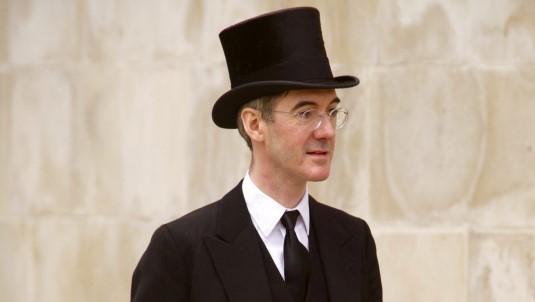
How are you fixed for Thursday 25th May between the hours of 10.30 and 11.30am? If you are at a loose end and happen to be in or around Derby, I am speaking at Derby Literary Festival. What about? This image might provide a clue:


I'll be discussing the thesis of my book with a focus on the new material about to be published in the paperback edition, now titled (in case you missed it) The Party's Over: The Rise and Fall of Conservatism from Thatcher to Sunak.

The talk will be taking place at the aforementioned time at the Artcore gallery, Osnabbruck Square, Derby, DE1 2DS. Entry is free BUT the organisers require you book a free ticket beforehand. They are available here.

Sunday, 14 May 2023

The Biggest Bellyachers in Politics

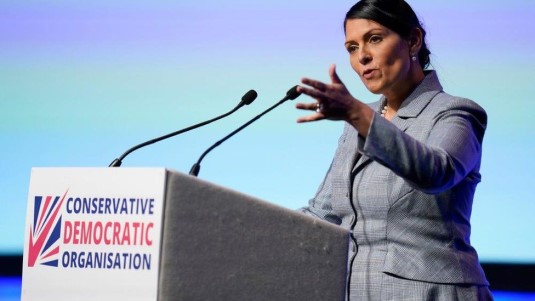
The biggest moaners in politics are members of the Conservative Party. It doesn't matter what it is, whether it's a Eurovision entrant who once said uncomplimentary things about their government, students objecting to bigots using their campuses to peddle hate, or the BBC breaking with tradition and running a factual support about how X leading politician has been enriched by a coincidental by-product of a policy, a senior backbencher, a minister, or a national newspaper will fulminate and cast the Tory juggernaut as the poor little victim of bullying. For tetchyness and thin-skinned overreactions, the most rigid of Trotskyist groups have nothing on the Tories. This in mind, the weekend's conference of the Conservative Democratic Organisation was always going to be a whinge fest of the highest order.

Who are the CDO? Are they an organisation founded to address the party's yawning democracy gap? Don't be silly. Readers familiar with the utterly fascinating topic of the Conservative Party's constitution will know that meaningful power resides in the party leader. Members are "consulted" about policy at their occasional forums, but they have no effective determination over the party's political direction. I suppose in this sense the Tories are more honest than the Labour Party, which takes motions at conference but its resolutions are routinely ignored by the party leadership. Apart from this Tory members get to vote in the leadership contests, vote in their local Association officers and, lastly, select their candidates at election time. The democracy the CDO is "campaigning" for, according to its statement of aims, is the election of more party officers and the protection of Associations' rights to select their MP, and deselect them if necessary. Note the idea members should steer the party politically is not even entertained.

I use the term "campaigning" loosely because internal reform is but a fig leaf. The CDO is basically the Boris Johnson fan club, draped in the finery of principled party democracy. The CDO argues that the election of Rishi Sunak was an anti-democratic outrage, which is true enough. But, strangely, their concerns for the niceties of democracy were nowhere to be seen when Johnson was flouting every constitutional norm going, nor when he tabled the legislation that introduced compulsory voter ID and the constituency boundary gerrymanders. Another uncanny coincidence: the CDO's leading figures are all noted Johnson cronies. The chair, Peter Cruddas, was given a peerage after donating £3m to the Tories over many years. Coincidentally, that was upped by a further half million once he received his ermine. Also on board are the gruesome twosome of Jacob Rees-Mogg and Nadine Dorries, and former Home Secretary Priti Patel. You might recall she made a pointed show of refusing to resign when the knives finally came out for Johnson, and retired from the cabinet just before Liz Truss paid Downing Street her flying visit. The reason for their conference being a whinge-fest then isn't hard to fathom: it's led by people who have been out of sorts since Johnson's heave-ho. The CDO is nothing but an organised grievance.

Consider Patel's speech. No more coyness and shilly-shallying. The electoral drubbing of the previous week was blamed on "centrists". I.e. Sunak. Things would have been so much different had they spent more time "with us", and a thousand councillors would have been spared the consequences of "bad decisions" at Westminster. Unnamed "colleagues" also get it in the neck for doing "a better job at damaging our party than the opposition, left wing campaign groups, civil service blob, and our enemies in the media combined." The drone and moan carried on with Cruddas's address. He attacked Sunak for moving the Tories in the direction of "a centre-left or social democratic party". Only someone whose view of social life is obscured by mountains of money could believe such rubbish. He attacked Tory MPs who had gone behind Johnson's back and colluded with each other in "secret meetings", which is something his hero definitely never did under any of his predecessors. Cruddas also warned that Labour were on course to win an election and would lock the Tories out of power "forever". Their underhanded means of doing involves enfranchising 16 and 17 year-olds, reversing voter ID, and introducing proportional representation.

To think some people spent good money travelling from one end of the country to the other to bathe in a day of bloviating and complaining. But among the grumbles against briefcase Toryism, a nugget of interest. Despite heaping praise on her former boss, Patel came to bury him with platitudes. Asked about the chances of a Johnson comeback, she said "I don't think that's going to do us the world of good at all." Indeed not as, by the time of his removal, he had become toxic and the Tories languished between 11 and 14 points behind in nearly all the polls. That at least suggests Patel has a foot in political realities, unlike some drawn behind the Johnson train. Fortunately for her, this ruling out of a return hasn't provoked a reaction from the CDO faithful. Perhaps some of them are cottoning on to their idol being yesterday's man. But, as it happens, there is someone with a demonstrable track record of Johnson loyalty and a policy pedigree of right wing cruelty that tickles the Tory underbelly. The Tories like a good whinge, as Cruddas and Patel remind us, but in this instance their performative snowflakery has a purpose: to make certain their take over of the Tory party after the coming, inevitable defeat.

Image Credit

Thursday, 11 May 2023

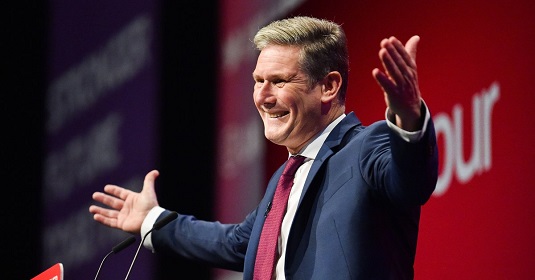
Writing About Keir Starmer

Let's take a stock take of recent days.

On Monday Keir Starmer said he wanted to see the Tories' anti-protest laws "bed down" before he does something about them. Unsubtle code for "I'm keeping them lock, stock, and barrel".

On Tuesday, news emerged that an unnamed spad to a shadow minister had been found responsible for a series of sexual assaults against a junior member of staff by a party inquiry. Instead of getting shown the door, he was told not to do it again and allowed to carry on in his job.

On Wednesday, Labour had an opportunity to delay the government's flagship anti-refugee legislation. By blocking it in the Lords, its implementation could have been delayed and probably would not have come into force before the general election. Instead, Labour peers were instructed to abstain and it sailed through without the breeze of opposition.

And on Thursday morning, a second scandal. An unnamed Labour MP has gone to the Met with allegations of sexual assault against a shadow minister. This pertained to events that took place about two years ago. Complaints were made to the party, but instead it was hushed up and no action was taken.

There are words that can describe this state of affairs. But, to be honest, I'm tired of finding them. At the moment the Tories are on the ropes thanks to last week's elections, Starmer carries on pushing policy positions that are undermining the party's political standing. Sure, those chickens are unlikely to come home to roost before the next election. But high levels of distrust of Starmer among Labour's own support points to a future of a fragmenting voter coalition, which will benefit the Liberal Democrats and the Greens. And, perhaps even worse, the turning of a blind eye to actual abuse among the party's leadership points only in one direction - a government that might prove as arbitrary and as out-of-control as Boris Johnson at his hypocritical, authoritarian worst.

There are only so many times you can say this stuff, explain the cynical logics behind the latest manoeuvre, and warn about the problems getting stored up for the future. Incredibly, some people enjoy reading about Starmer's misdeeds and getting themselves into a lather over them. But ultimately, following this stuff on the daily and having to reflect on it is deflating, if not nihilistic. I find it corrosive. And so, with the exceptions of major developments or policy announcements, I'm done writing about Keir Starmer here.

Monday, 8 May 2023

Eurovision 2023 Preview

The coronation had its celebratory concert, but that will get blown out of the water by Eurovision this weekend. And what a show we have in store with some cracking performances from some cracking artists. As this blog is a stickler for custom and practice, here is the annual eye on a handful of picks worth noting.


Mae Muller's I Wrote a Song gets top billing here because a) patriotism is compulsory in Eurovision, even for left wingers, b) Mae is a comrade, and c) the UK is in with a shout of winning, actually. Undoubtedly we would have won last year if it wasn't for the "special circumstances" in Ukraine, and it appears the powers-that-be at the BBC have had a penny dropping moment. Marry a decent artist to a contemporary-sounding(ish) song with nods to the signature Eurovision styles, like practically every other competing country in Eurovision does, and the UK entry will do well. Mae is up against stome stiff competition, but it does stand up well in the field. Can the UK pull it off this year? Some other have a thing or two to say about it.

Eurovision didn't earn its reputation as the greatest show on earth without a touch of ridiculum, and this year Austria have dished up a slice of the absurd.


Teya & Salena's Edgar is a song about being possessed by the ghost of Edgar Allen Poe in case you missed it.

Every year there's a no hoper that tickles my tastes, and here's my pick for the best. Belgium's entry will get the gender cops mad.


Gustaph's Because of You pushes all the buttons. Voguing (which, I hope, will be in the stage show), an early 90s house echo, and a guarantee to upset reactionaries across Europe. Sign me up.

But who is the contest really between? There are two tunes that have garnered most interest. We have Armenia's offering:


Not to my taste, but Brunette's Future Lover is doing the YouTube numbers. And as voting is a numbers game, those willing to take a punt could do worse than lay a few sovereigns on this effort.

The closest contender does have a mean pedigree behind it. The country I speak of is Eurovision superpower Sweden, and here is their entry:


A name familiar to Eurovision stans, Loreen first took the crown a decade ago with her light trance belter Euphoria. Now back with a bit more attitude, an interesting stage game, and a more vocally intensive tune, Tattoo is best placed to and probably will edge Armenia out on the night. But this is Eurovision and its voting system is notoriously brutal. Perhaps the fickle publics are going to choose someone else entirely?

Who is your pick for Eurovision this year?

Sunday, 7 May 2023

Derby Politics after the Elections

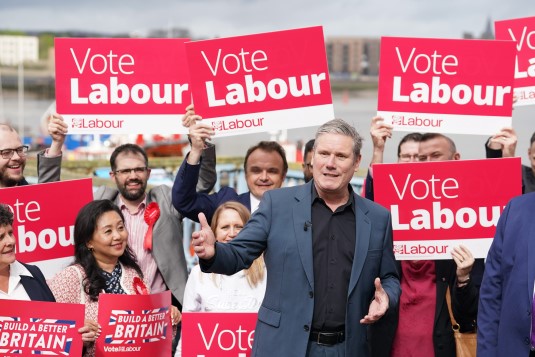
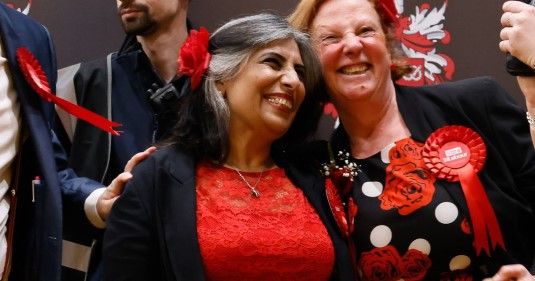
Local elections happened in Derby as well, so I'm going to break habit and write on something I know nothing about. Going into the city's first all-out elections, the Tories have occupied the driving seat in a de facto coalition with the Liberal Democrats and Reform UK. Following Thursday and in line with the national trend, Labour surged ahead with 23 seats (up six) and the Tories fell four to 15. With 26 being the magic number and the rest of the chamber comprising Reform (six), Liberal Democrats (four), and independents (three), Labour should have an easier time of making Sinfin's Baggy Shanker the Council Leader than the Tories have holding on. But this is local politics, and 'should' is never will. The results of council wheeling-and-a-dealing will be known this week.

There are a few things politics-wise I've got to get to grips with yet, such as why Alvaston - a white working class district in the south of the city - returned a full roster of Reform candidates in its two wards when other similar seats proved resistant to the "party's" charms. And why Chaddesden, another not altogether demographically dissimilar estate in the north were saddled with Tory councillors until Labour took them back on Thursday. All things to look forward to finding more out about, and if anyone wants to enlighten me in the comments or over coffee then please be my guest.

Labour had been campaigning hard, but there is a small lesson from the ward I now reside in - Mackworth and New Zealand. On Wednesday, it had one Labour, one Tory, and one (ex-Labour) independent. Come Friday morning, Labour retained both the seats but the Tories topped the poll. Again, predominantly white working class but with a mix of council and housing association-owned homes (39%), owner occupied (42%), and privately rented (16%). Plenty of pensioners as well (27%), and so the vote result mix shouldn't come as much of a surprise. Which explains why the two other Tory candidates put in strong showings as well. But the Tories did have an advantage: a highly visible councillor.

Readers might recall one of the reasons the Tories did unexpectedly well in 2015 was because of their Facebook efforts. Not just targeted advertisements, but the fact many Tory councillors had set up Facebook groups that put the party's name to a local face. As a general rule, these would be of the pothole-filling and fly tipping-clearing sort, but give those who founded the group an opportunity to build name recognition and a reputation for community work in the hope this would translate into votes. These groups would often have thousands of members and, because they were administered by either a councillor or a trusted Tory, political rivals often didn't get a look-in. Winding forward to 2022 and while we were buying the new house, we clocked We Love Mackworth, Morley, and New Zealand and encountered Gaurav Pandey, the local Tory councillor. With a membership of 4,300 members, his mercurial activities will have been noticed by nearly everyone on the estate. If there was a problem, Guarav would fix it. Day or night he was absolutely on it, and his fellow Tory candidates were never far away from the camera when he was out and about doing his good works. He cultivated the persona of an almost apolitical community champion, and appeared genuinely shocked that while his hard work paid off for him his fellow Tories lost out to Labour's Ndukwe Onuoha and John Whitby.

Undoubtedly, the likes of Cllr Pandey will carry on fixing parking bollards and documenting it on their Facebook groups and pages. And that will translate into votes and council seats down the line. Which reiterates the need for Labour councillors wherever they are to root themselves in their communities, and not rely on regular voter ID sweeps for "contacts" and "conversations".

Turning to the wider Derby council result, as per Stoke-on-Trent the results are encouraging for the general election. Derby South is likely to remain Labour, and on paper the boundary changes for Derby North make it a surer proposition for Labour with the hiving off of Oakwood and Allestree - pretty solid Tory wards - into neighbouring constituencies. As a swing seat historically, the good news for Labour is its candidate Catherine Atkinson is all over the constituency and featured prominently in local election literature and social media content. Sitting Tory MP Amanda Solloway who, as it happens, I saw near my house on polling day while nipping out for a cream cake, was nowhere near her party's council leaflets. Though a sheet got posted through at the beginning of the campaign that credited "Amanda" for everything from photosynthesis to the discovery of special relativity.

Things are looking good for Labour in Derby. There are some serious messes left by the Tories that need cleaning up, with nurseries and libraries facing closure, issues with the arms-length body that manages the city's council housing, and questions over the financing of the flagship Becketwell regeneration scheme. If Labour can undo the damage while remaining transparent and begin offering a new way of doing things that brings the city with them, then there's no reason to believe why its leadership can't be successful and that both constituencies won't return Labour MPs. The ball is in the party's court.

Image Credit

New Left Media May 2023

It's been a while since the new media project bag has bulged with so many new entries. And here they are.

1. Class Divide (Podcast) (Twitter)

2. Locating Legacies (Podcast) (Twitter)

3. Lost Futures: A Mark Fisher Podcast (Podcast)

4. Prominent Corrections (Podcast) (Twitter)

5. Seize the Press (Magazine) (Twitter)

6. Transvox (Podcast)

7. Working Voices UK (YouTube channel) Twitter

If you know of any new(ish) blogs, podcasts, channels, Facebook pages, resources, spin offs of existing projects, campaign websites or whatever that haven't featured before then drop me a line via the comments, email, Facebook, or Twitter. Please note I'm looking for new media that has started within the last 12 months. The round up appears hereabouts when there are enough new entrants to justify a post!

Saturday, 6 May 2023

Stoke Labour's Council Victory

Well done to Stoke-on-Trent Labour for taking back the Potteries on Thursday. Going into all-out elections with 12 seats, it emerged from the fray with 29 to its name. The Tories were bumped down to 14, which is one less than what they won in 2019 sans subsequent defections to them, and pleasingly the so-called City Independents were put in the ground. They went from 12 last time to just one. It couldn't have happened to a nicer ragtag and bobtail outfit. Needless to say, the revival in the party's fortunes after my leaving the place is entirely coincidental.

Is there room for a bit of gloating in a supposedly serious analysis of Potteries politics? You bet there is. Labour sent CIndie leader Ann James packing in Great Chell and Packmoor. But much more satisfying was the dumping of Tory Janine Bridges by the electorate. Stoke politics watchers will have followed her inglorious career for some time as she skipped from party to party to maintain a pre-eminence on the local council she felt entitled to. Indeed, had she survived Thursday night I wouldn't have given it a week before a text popped up on Labour Group, and now Council Leader Jane Ashworth's phone requesting a tete tete about defecting back. Also gone is CIndie Lee Wanger, marking the first time since 2011 that the councillor roster is free of a convicted child sex offender. With him went Jackie Barnes, who won a by-election after putting out a manifesto that, among other things, railed against cervical smears and in more recent years became famous as Stoke's racist Lord Mayor. Ex-BNP CIndie Melanie Baddeley was also booted out in Abbey Hulton. It's taken 20 years, but the legacy of Stoke's most toxic political period has finally been removed from the chamber.

Along with Bridges, all the recent defectors to the Tories' ranks found their treachery kiboshed at the ballot box. Ally Simcock in Sandford Hill and Candi Chetwynd in Ford Green, both of whom professed to be socialists at some point, jumped to the Tories when their egos were tickled. Thankfully their services were terminated at the first available opportunity by the good people of their wards. I cannot lie that as a former friend, seeing Chetwynd lose has been a highlight. Not least because she spent her time as a Tory councillor palling around with Jonathan Gullis in social media shorts and photo opportunities. A cautionary tale that even politics time servers like me can get taken for a ride.

There were some very gratifying results. The persistence of Mubsira Aumir finally netted her a seat in Fenton East, as did Javid Najmi in Moorcroft and Sneyd Green. I'm happy to see Chris Robinson back on the council after losing by a 10 vote margin in 2019, Sarah Hill after an 11 year absence, Adrian Knapper in for Birches Head, and Duncan Walker as Labour's man in Baddeley, Milton, and Norton. Kudos to comrades Shaun Pender and Andy Platt for making their seats safer. And a shout out to long-time friend of the blog Gary Elsby for coming at the bottom of his poll.

Where did the Tories go wrong? Historically, Stoke's politics have been a bit iffy and tended to introversion, though that began to change at the last local election as local and national trends converged. In 2015 after Labour lost and a CIndie/Tory coalition took over the council, the Tory group under erstwhile Council Leader Abi Brown ensured they controlled the most publicity-friendly positions in their coalition cabinet. I.e. The economics portfolios. They then spent the next four years taking credit for every new bit of investment, every new build, and the renewal of the city's parks. Some of this was what Labour were planning to do anyway, but in office their coalition happily cut down the council's social spend further so a disused boat house in Hanley Park could get spruced up, that the hedges were trimmed and maintained, and monies could be put aside to house the Potteries Museum's Spitfire in a bespoke goldfish tank.

It worked. By cutting services to the bone, the Tories knew they were "only" impacting on people who tend not to vote or would never support them anyway. And what they purchased with their suffering was a simulacra of economic regeneration. With new buildings going up and the parks returned to their Victorian heyday, their changes could be seen. It gave off a vibe of moving on from decades of Stoke stagnation and struggles of trying to reinvent itself. But it was a veneer and could only work for a while. When the double whammy of Covid and the Tories' cost of living crisis came along, the city was put back on its arse. Crowding more people into the city centre with council build-to-lets did not pay off as their disposable income, which was projected to sustain a hospitality-led revival of Hanley, was gobbled up by inflation. And as for the city's other five town centres, at best all they got was a lick of paint.

There were the regen blunders too. In February Dan Jellyman, the Tories' number two - in both senses of the term - resigned from his regeneration and heritage portfolio after he okayed the demolition of a Josiah Wedgwood brick sculpture. This came after a somewhat questionable turn in priorities. Opening earlier this year, the Tories found £15m for a multi-storey car park on the site of an existing under-used car park. If that wasn't enough, in February 2022 the (admittedly dated) but also under-used multi-storey on Meigh Street in Hanley got bulldozed and will get replaced by ... a new £18m car park. As the Tory council in nearby Newcastle-under-Lyme are doing more or less the same thing, we're left to speculate whether a commitment to car-driven regeneration has gripped the two Tory groups or what might loosely be described as off-book incentives. Who can say? It's a matter of conjecture and opinion.

Going from the scores on the doors, the car park fiasco plus the Tories' national malaise are what put paid to their chances. Extrapolating forward to the general election, the results suggest Gareth Snell will take back Stoke Central without much trouble. The good news for watchers of the aforementioned member for Stoke-on-Trent North is that his time in the spotlight will come to a close. I look forward to Labour's David Williams cooking Gullis's expired career on the rotisserie. Stoke South is another story. Despite Labour gains in the south of the city the Tory vote was pretty solid. And on the revised constituency boundaries due to come into force, added to it are parts of Newcastle constituency, Stone, and Staffordshire Moorlands. It would take a massive swing to dislodge Jack Brereton, the sitting Tory MP.

Time for some unsolicited advice. Stoke Labour should bear in mind the key lessons of how the council was lost in 2015. Acting like managers as opposed to politicians, giving the officers too much leeway in determining priorities, being unclear about what the council was trying to achieve and doing things that looked like they were taking the piss not only scuppered Labour's majority, but massively ate into its general election vote. As a fan of the Preston model, of course I'd recommend the Group looks at that and adapts it as a means of delivering its manifesto. This would do a better job than dreaming up a new regeneration project with its pie-in-the-sky promises of loadsa jobs and loadsa knock on investment. But also, ensuring Labour weathers whatever storms are likely to break over Stoke-on-Trent, councillors have to be buried like ticks in their communities. Voter ID is not the be-all and end-all, and while important being responsive, dependable, and most importantly present will go a long way to regrowing the roots that have withered over decades. The councillors will benefit in the long run, and that personal connection can deliver votes by the skip load come general election polling day. Defeating the Tories this time was the easy part. The tough stuff starts now.

Image Credit

Friday, 5 May 2023

Politics After the Local Elections

When Tory chair Greg Hands did the TV studio rounds a few weeks ago to say the Tories would lose 1,000 councillors, he probably didn't believe it himself. Just pluck an implausibly large figure backed by "independent evidence" from the ether, and use it for expectation management. Any losses short of four figures could be spun as a failure for Labour, and be evidence that the glow of optimism was brightening Tory horizons. Oh dear. 1,061 councillors down and Labour declared the largest party in local government for the first time in 21 years, this has been a very bad night for the government.

At 10:00 on Friday night and with three councils still to declare, the picture's not going to change very much. Labour are presently up 527 seats, the Liberal Democrats 416, and the Greens 240. That's 22 more councils (including Stoke-on-Trent) passing into Labour's hands, the Lib Dems gaining 12, and for the first time anywhere in the Northern Hemisphere the Greens in Mid-Suffolk have won a majority on a local authority. And yet, there's a fly in the ointment. At least if you take your analysis from the esteemed John Curtice. Rather than it being a triumph for Labour, these results point only toward a hung parliament. If you throw in the strong gains for the Lib Dems and the Greens, and the odd result here and there where expellee councillors from Labour have been returned as independents or Greens - particularly on Merseyside - then Keir Starmer isn't on course for an overall majority.

According to Curtice's projected national vote share, on the basis of these contests Labour managed 35% to the Tories' 26%. Better than when these seats were last contested, but not a great advance on what happened last year. Far be it for me to disagree with political science's answer to national treasurehood, but this analysis is short-sighted and has not paid any attention to who voted in these elections. But because it is John Curtice, is likely to be taken as copium by left wingers wanting to believe Keir Starmer's driving Labour into an electoral ditch.

Voters can be segmented for analytical purposes. Sometimes it's useful, sometimes it's utterly self-serving. For our purposes of thinking about what these results might say about the general election to come, we have to look at who voted. We know from election after election that older people, particularly the retired, turn out in greater numbers than any other cohort of voters. Despite the rubbish written about a rubbish result, in 2019 Labour still was the biggest party among working age people. It was the oldies that won Boris Johnson the victory that was supposed to set the Tories up for a decade. Because of property, because of the experience of retirement, this predisposes them favourably to the Tories. Obviously not all pensioners but stubborn and disproportionate Tory support among this layer for the last decade is an inescapable social fact.

It also just so happens that as turn out diminishes in local elections when compared to a general election, the disproportionate tendency of the old to rock up at the polls becomes even starker. Therefore the Tories have enjoyed a built-in local election advantage for the best part of two decades - since the point the party became the largest in local government, as it happens. If Tory support takes a hammering in local elections, it suggests that this core layer of support aren't as reliable as previously. Not great when the Tories are already facing a crisis of political reproduction among those who would support them.

What does this mean for a general election? It suggests that when the polls open in a year to 18 months from now, Labour will do even better as the Tory leaning layers are diluted by larger numbers of working age people voting. I know this, most political scientists know this, and so does Starmer's office. Hence why the Labour leader's representatives can tour the studios this weekend and say in all sincerity that they believe Labour are on course for Downing Street.

Does this mean anything politically? We'll see what accent the shadow cabinet emphasises next. Are they still going to be denying they want nice things and carry on with the miserable trudge of not offering much and expecting great electoral returns? From the most empiricist of view points, the utility of that has just been confirmed by the ballot box. Or will we see a switch over into offering something more concrete, positive and hopeful now they've "earned permission" for a hearing? With more substantial speeches coming up on the NHS and social security, that question will soon find an answer. What is likely is the good results for the Lib Dems and Greens will get paid no mind, though they are well-placed to do better from discontent with a Starmer government than either the Tories or the ridiculous Reform UK. Already I've seen Labour's routing of the Greens in Brighton as supposed proof that they pose the party little threat, while ignoring the surge elsewhere. If strong showings from them and, to a lesser extent, the Lib Dems are going to keep Labour "honest" there's a way to go yet, but make no mistake. That is the road we're on.

And what about the Tories? There will be plenty of knives out stories in the papers this weekend. The wheels of politics slow for no one, least of all a coronating king. To a rationally-minded Tory capable of intellectual honesty which, as we know, are thin on the ground, today's result should underlined the bankruptcy of Rishi Sunak's voter ID wheeze, and the twin track Tory briefcase/war on woke strategy. What Labour have absolutely got right is an awareness that people are fed up of how the Tories are running basic services into the ground and are uninterested in even making life minimally better. Even a shuffle, a minor move that might make the state work or leave people feeling better off could shift back millions of votes, but they're wedded to their path. Not because of "ideology" or "dogma", but statecraft and class politics. The famous Tory characteristic of, despite the Conservative name, being the most adaptable and flexible of parties has found them stuck with a diminishing coalition of voters and a prospectus that cannot save them from a cataclysm. And because they cannot change, the future pointed to by this set of local election results is unlikely to either.

Image Credit

Wednesday, 3 May 2023

On Dumping the Tuition Fee Pledge

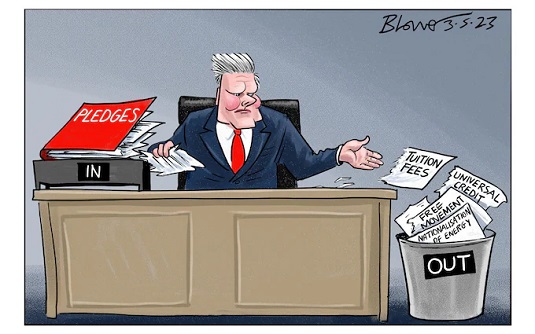
Is that a full house? With Keir Starmer saying the Labour Party is "moving on" from the abolition of tuition fees, that's probably the last of his leadership pledges crossed off and another blow struck against integrity in mainstream politics. I thought it was kids who told fibs, not the grown-ups. Still, in Starmer's race to beat Boris Johnson as the most dishonest politician ever to hold high office there is a question to be asked. With crucial local elections taking place on Thursday, why announce something likely to demobilise Labour votes this close to polling day?

In the context of the voters Starmer is trying to attract for these elections, sacrificing another policy lamb does make some political sense. As explained previously, the Tories' local authority chances have an inbuilt advantage. The Tories draw the majority of their support from the elderly, and while only a minority in the wider population they are more likely to turn out for elections. This is even more the case in second order contests like local elections where turnout typically drops from two-thirds to around a third. Secondly, of the 8,000 seats up on Thursday a plurality of them are Tory defences. Or to put it another way, grounds that might not be too propitious for Labour. These are the voters more likely to keep faith with the right wing press, accept their framing of politics, and be Labour-sceptical. They also, sadly, tend to think young people are spoiled and should spend more time graduating from the school of hard knocks than pratting about at university.

Looking at YouGov's tracker on tuition fees, we find that indeed the over 65s think tuitions fees are "fair" by a decent margin (49% to 34% "unfair"). But among the young, the findings are even starker with fair leading by 17 points. I.e. The Starmerites have polling evidence to say that abolishing fees is "unpopular". Therefore, if the strategy is to chase Tory voters by pandering to them, one might suggest junking another policy that makes life better for people would cultivate favour among this layer.

This is potentially short sighted. One might suggest that fees is a low salience issue for Tory voters. While millions of people have voted for the Tories since 2010, I doubt many of them did so because they trebled university tuition and created a new debt traps for a generation of young people. However, among millions of progressive voters the pledge to get rid of fees was a sign the party had broken decisively with the punish-the-young politics of the New Labour years. This definitely drew in their support, which helped Labour score a much better result than anyone forecast in 2017 and, arguably, ensured 2019 wasn't an even greater disaster by consolidating a new base. In other words, dumping the policy probably won't convince many Tory leaning voters to go for Labour, but it might encourage Labour voters to stay at home or, worse, give other parties a punt.

The second issue is by demobilising sections of Labour's support now, when the general election approaches Starmer is going to have to find ways of re-winning the layers he's put off. That might not be too many right now - 200,000 former Labour members, and a few hundred thousand more ex-supporters - but that can matter in the key marginals, and provide a good solid base for a challenge from the left. Forget repeated establishment attempts to talk up Reform UK, the Greens is where it will be at. And just saying "we've got to get the Tories out" won't cut the mustard. Therefore, Labour are on the cusp of creating an unnecessary eventuality born entirely of Starmer's desire to appear respectable to layers of voters and their establishment herders who'll never support the party under any circumstance. And the more he carries on reneging on pledges and lying, the bigger this problem will become.

Image Credit

Monday, 1 May 2023

What is National Conservatism?

Unless you're a company operating a network of car parks, putting 'National' before anything automatically makes anything sound more sinister. Consider the new kid on the Tory ideas block, National Conservatism. Doesn't sound like a wrong 'un at all. And then look who is promoting the new creed: Jacob Rees-Mogg and Brexit nincompoop, David Frost. This new idea, which as we'll see isn't very new at all, has been cooked up in anticipation of the National Conservative conference slated later on this month. Among the luminaries addressing those coughing up the £115 entrance fee are Michael Gove, Suella Braverman, Douglas Murray, Daniel Hannan, Melanie Phillips, Toby Young, Matthew Goodwin, and a horror scape of lesser known rent-a-gobs, racists, and terminally uninteresting ideologues.

In their piece, Rees-Mogg and Frost set out the NatCon stall. Under the very Tory heading of 'Time Britain returned to its traditional roots', they spin us a fairy tale worthy of the Brothers Grimm. Sans the entertainment and morality lessons. It starts off fairly innocently: "At its heart, it is a belief in the nation state and the principle of national independence ... confidence that the self-governing, democratic nation is the best way that peoples have found to manage their affairs, preserve their traditions and culture, settle their differences, trade and prosper." If you want to be a bit naughty, written like that I'd doubt Tony Benn or the Communist Party of Great Britain would have found that too objectionable. Frost and Rees-Mogg go on to say that the aspiration for self-government is what drove the Brexit vote. Perhaps, but would it have got over the line without Vote Leave's anti-immigration scaremongering? Doubt it.

There's more. National Conservatism is, apparently, a movement of renewal. Taking aim at decline of the West narratives, they argue the doom need not be upon us. All it takes is "economic freedom", freedom of speech and, somewhat at odds, "anti-woke policies". For an idea what this means, Kemi Badenoch's endorsement of book-banning Florida governor Ron DeSantis gives us a fairly good idea. Summing up their creed, they acknowledge that it draws deep on really-existing Toryism:
... the British conservative tradition is characterised by love of freedom: of free markets, free trade and free individuals and families, with the inherent rights and sanctity of the human person enshrined by our common law and constitutional tradition. These principles have made Britain what it is – a country that defends human freedom, honour and dignity, at home and around the world.
How anyone could look not just at 13 years of this government, but at the 18 years of its predecessor and conclude these principles reflect decades of Tory statecraft are ignorant, stupid, or dishonest. Frost and Rees-Mogg compound the bad faith further by railing against the state for having an industrial policy, suggesting that the fraying social cohesion we have now, combined with stagnant economics is because Whitehall is beholden to some kind of Croslandite collectivism. When government in the real world is heading in the opposite direction, you could only make this claim safe in the knowledge that no one will ever ask you to show your workings.

There are a couple of things worth bearing in mind when dealing with conservative principles and philosophy. No matter how articulate or softly spoken advocates are for these ideas, their adherents only wear them lightly. When even Boris Johnson cited the tenets of One Nation Conservatism for his own purposes and basically no one in his party batted an eyelid, not even the more "intellectual" Tories. This is because the only real principle conservatism observes, at least in the context of the British Conservative Party, is power. Everything else is window dressing, or the mangled expression of the class interests their party simultaneously articulates and serves.

Let's consider some of these. Small statism, ritualistically name checked by Frost and Rees-Mogg here, has always expressed the Tory dream of a straightforward bourgeois state. One whose business is to defend property and capitalist relations of production, but not have much interest in anything else. Hand in hand with this is the low tax fantasy. I.e. Capital has no obligation except to accumulate more capital. It and its beneficiaries certainly should not be weighed down by responsibilities (via taxation) to those maimed and who suffer thanks to their social system. It represents the wealthy dream of a consequence-free life. And there is the sovereignty fetish, that in the age of Brexit we never stop hearing about and was used to justify the whole shoddy enterprise in the first place. But this "sovereignty", defined as freedom from supranational organisations and overseas courts (and, in recent years, the unilateral opting out of international treaties), is nothing more than the authoritarian impulse to unconstrained government, where the Tories, their state, and their class are limited only by the laws they legislate for. What goes on in Britain's borders and, crucially, how it exploits its workforce with the most restrictive labour laws in the Western world apart from the United States is its business and its business only.

There are other aspects conservative philosophy emphasises, such as senses of duty, the importance of covenants, voluntary association, the received wisdom of tradition, conservation, the cohesive role of faith, and above all a sense of obligation, but none of these have been taken remotely seriously by Tory politicians since Macmillan's generation. And it's important to note National Conservatism continues the Tory run of setting them aside. What Frost and Rees-Mogg are offering are gentle words for a power politics that stand for crack downs on social dissent and difference, and arbitrary government unconstrained in meeting the vagaries and challenges of managing bourgeois class rule. Meet National Conservatism, just like the old Conservatism.

Image Credit